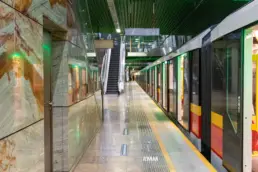
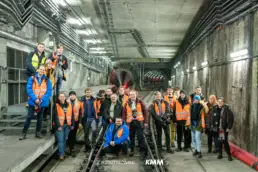
Date: 21 April 2022 · Location: Kabaty depot, line ventilation building on section B1 and station A1 Kabaty, Ursynów, Warsaw · Organisers: Koło Miłośników Metra and Zrobotyzowani, under the patronage of Metro Warszawskie
This is how the series began that took us through 2022 into the machinery of the metro’s breathing. On 21 April 2022 the Metro Enthusiasts’ Circle (KMM) and Zrobotyzowani, under the patronage of Metro Warszawskie, looked at how tunnels, stations and the trains themselves are ventilated.
The ventilation building on section B1
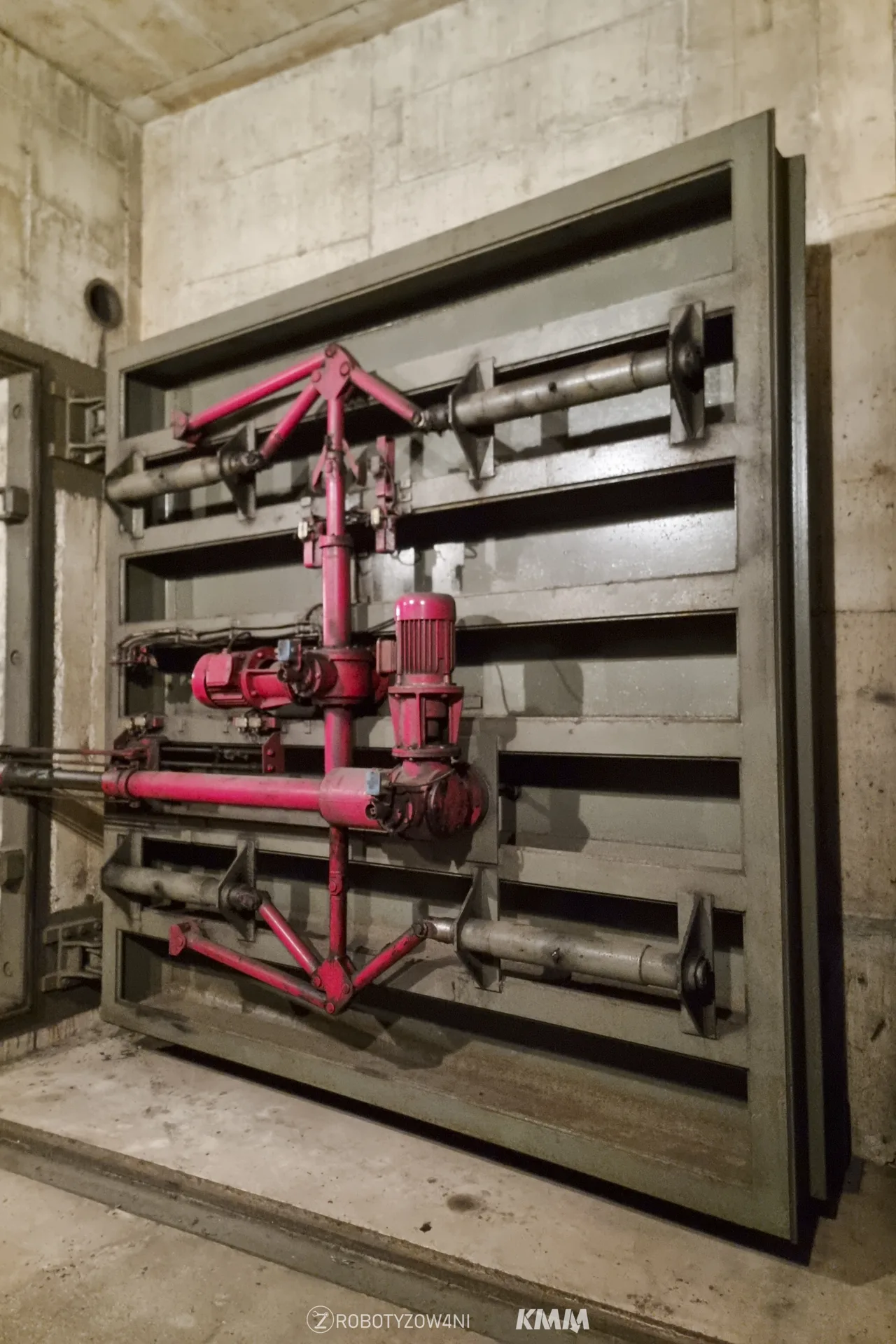
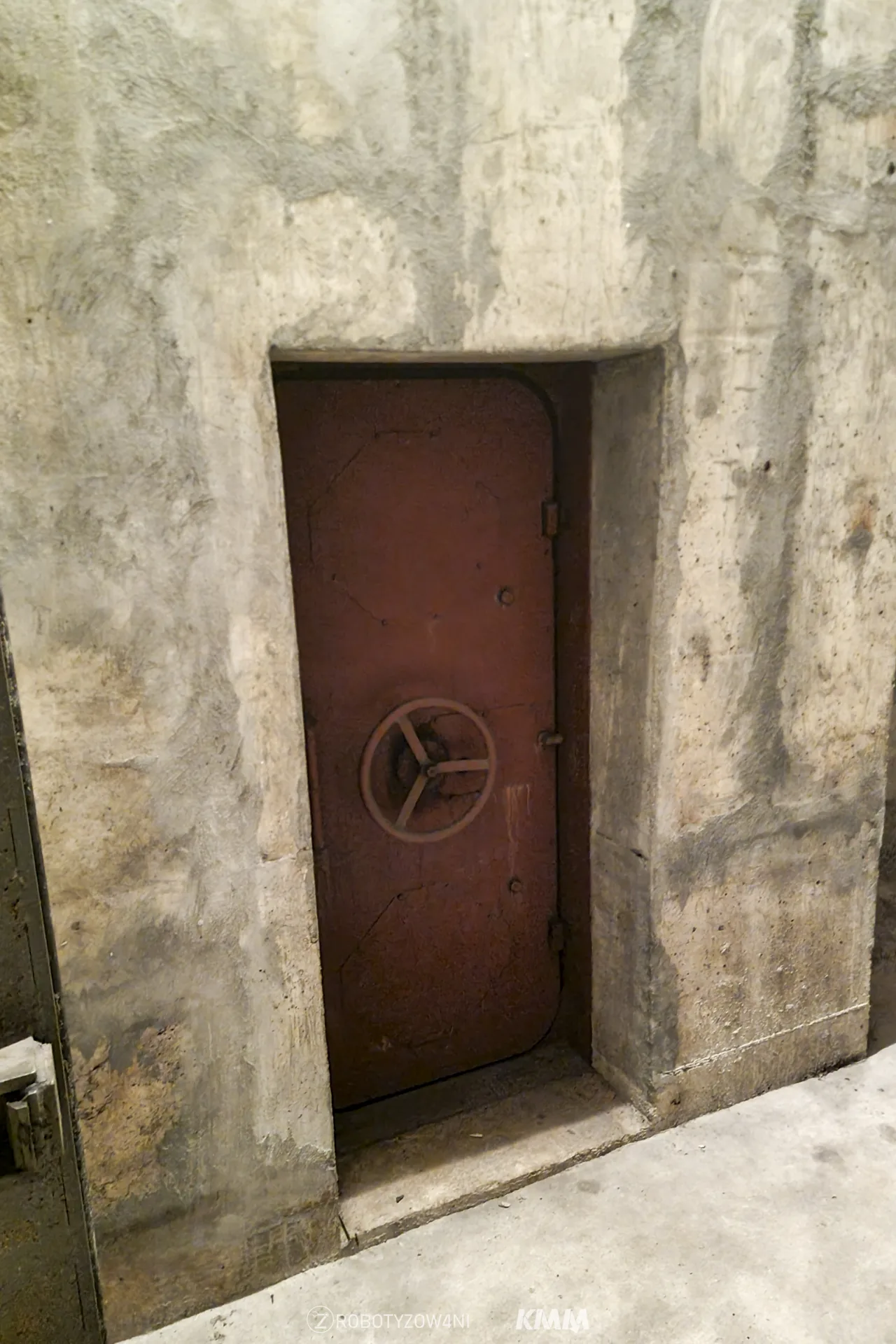
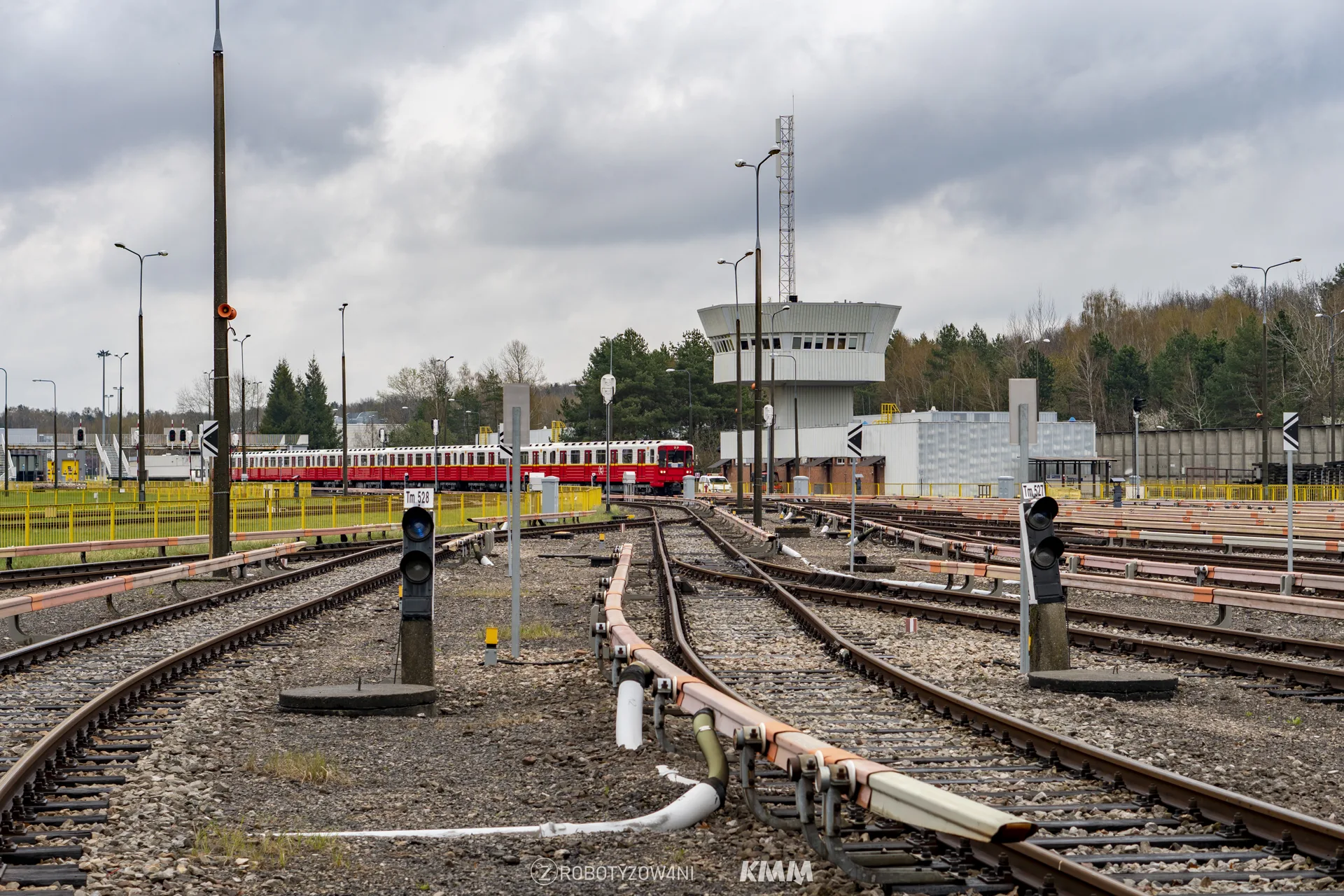
After the formalities at the Kabaty depot gatehouse (Wilczy Dół 5), shortly after 9:00 we walked to the line ventilation building on section B1, between the depot and station A1 Kabaty. At the bottom, huge doors catch the eye: a trace of the adaptation of this part of line M1 to serve as a shelter. Metro staff and a fellow Circle member explained what each element of the installation does.
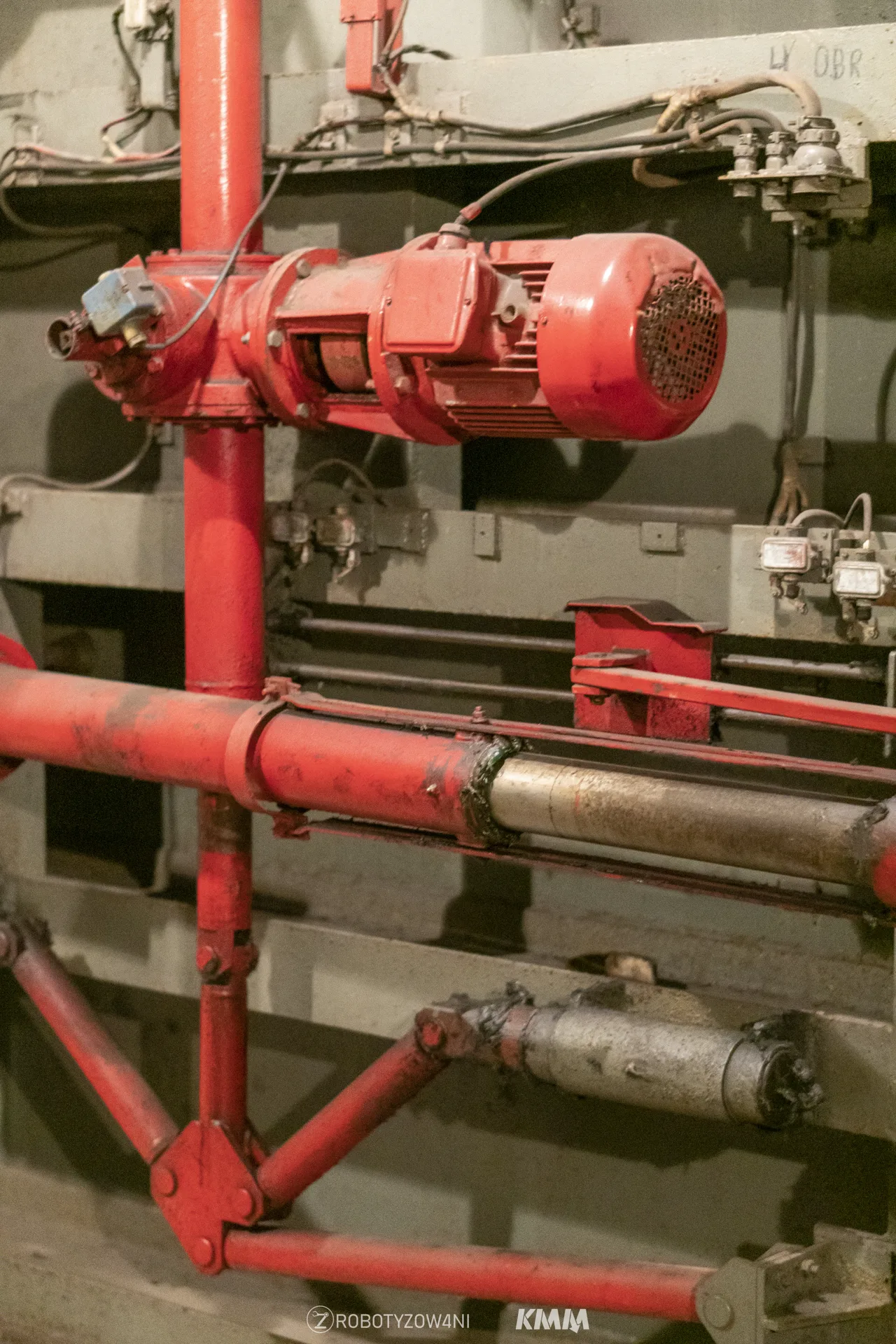
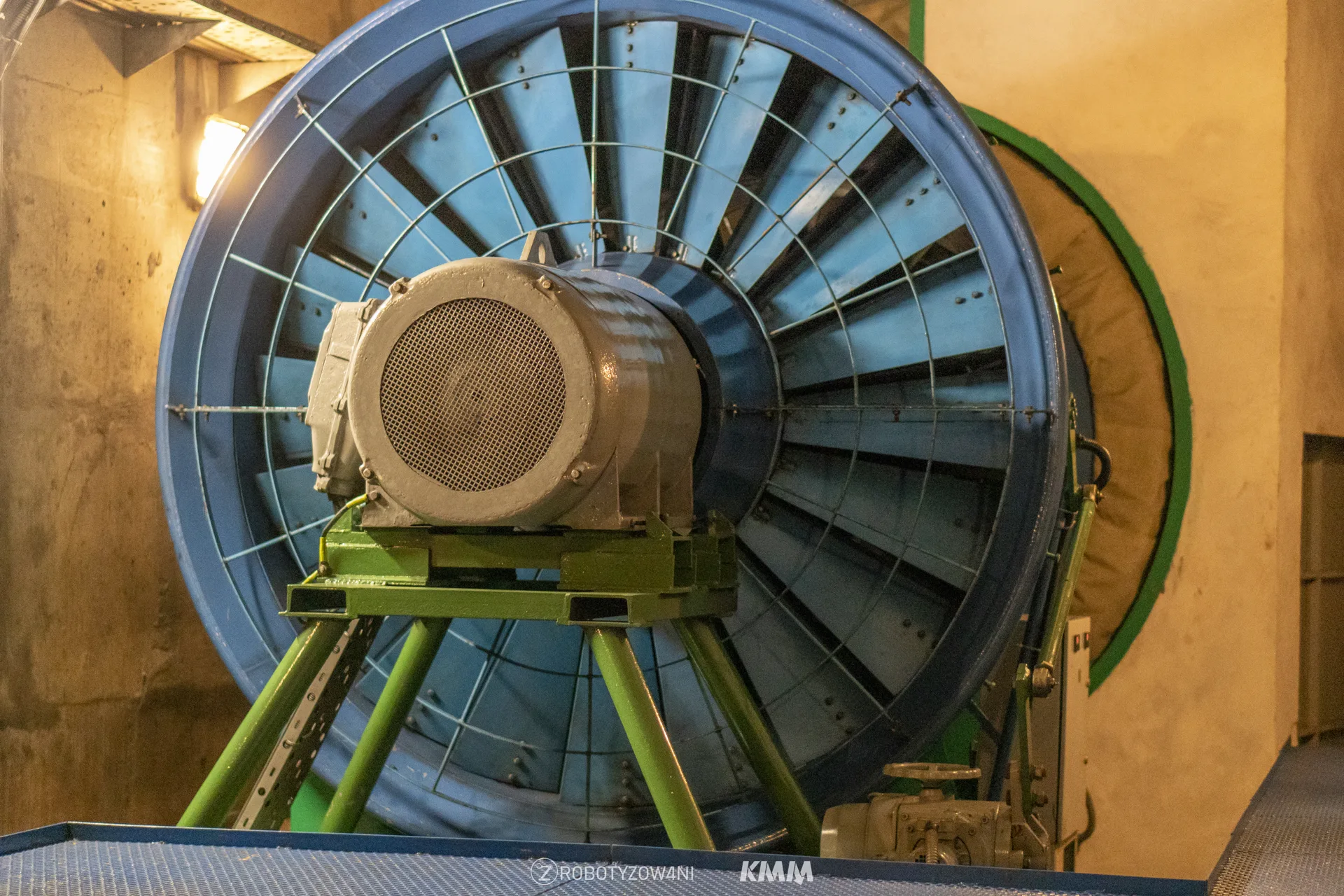
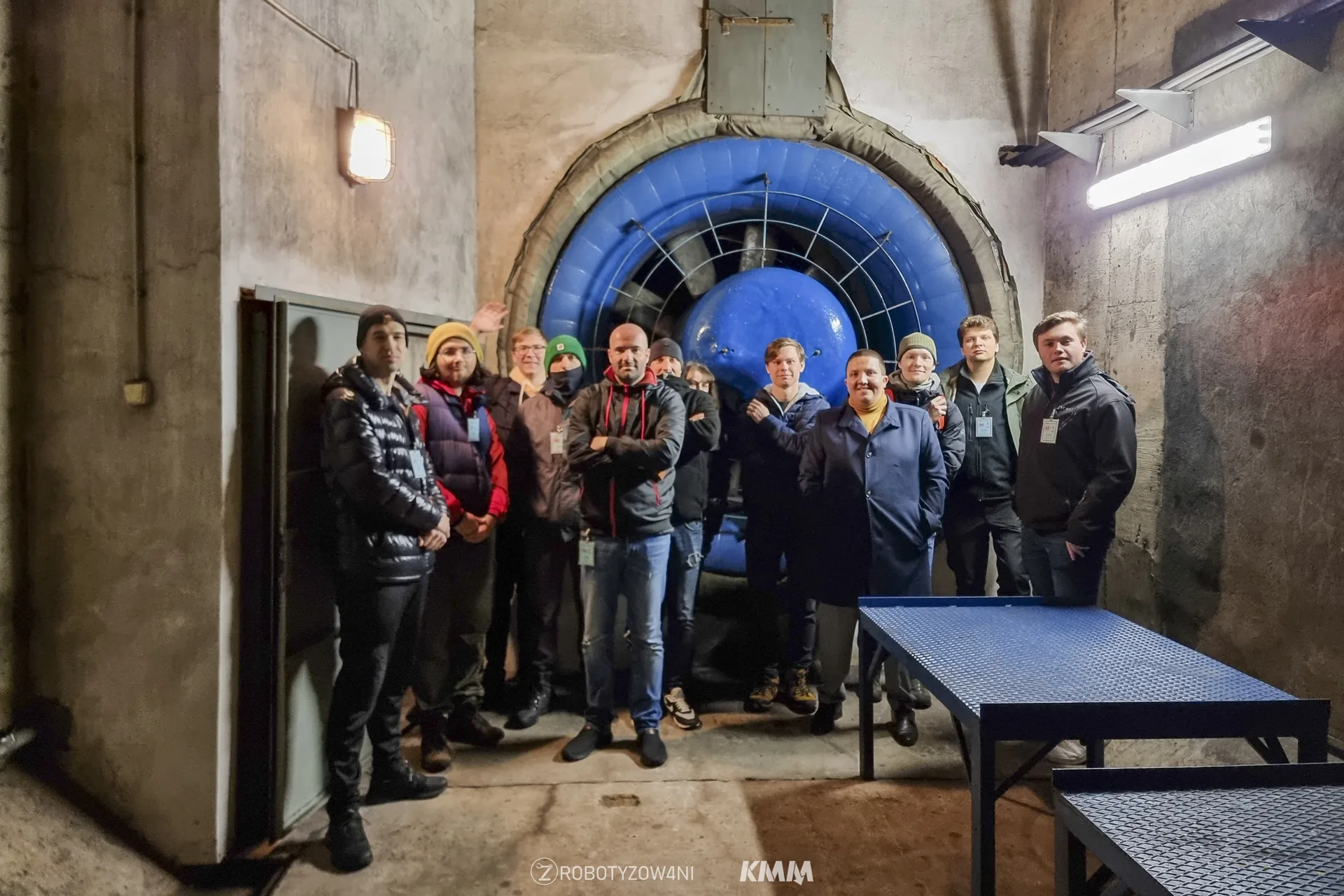
In the line fan chamber we learned its two main jobs: keeping the air in the tunnel, and so in the trains, at the right temperature, and extracting smoke in case of fire. The fan was given a test run. The tunnel runs right alongside, so from a safe distance we watched trains heading to the depot after the morning peak.


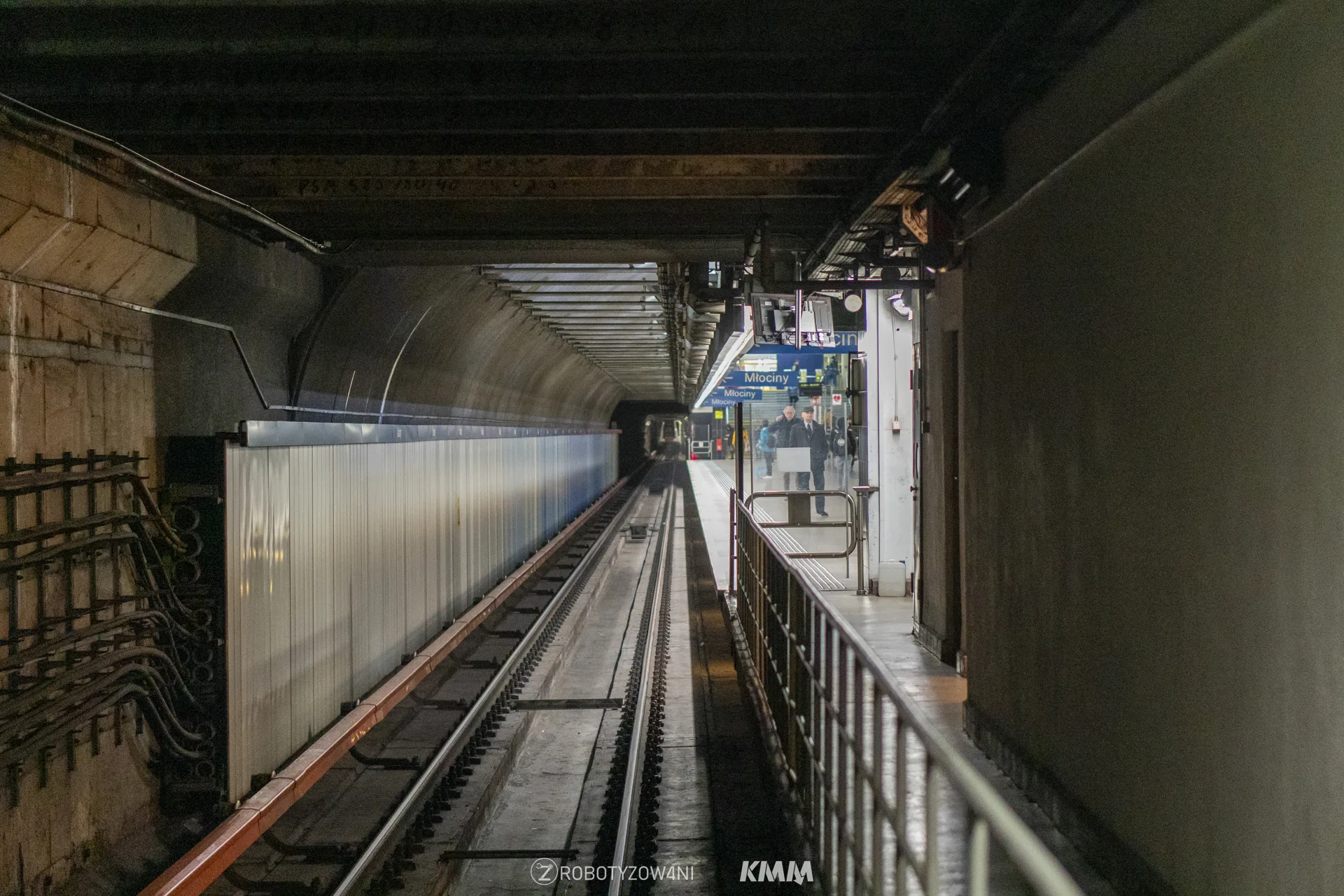
Soviet fans at station A1 Kabaty
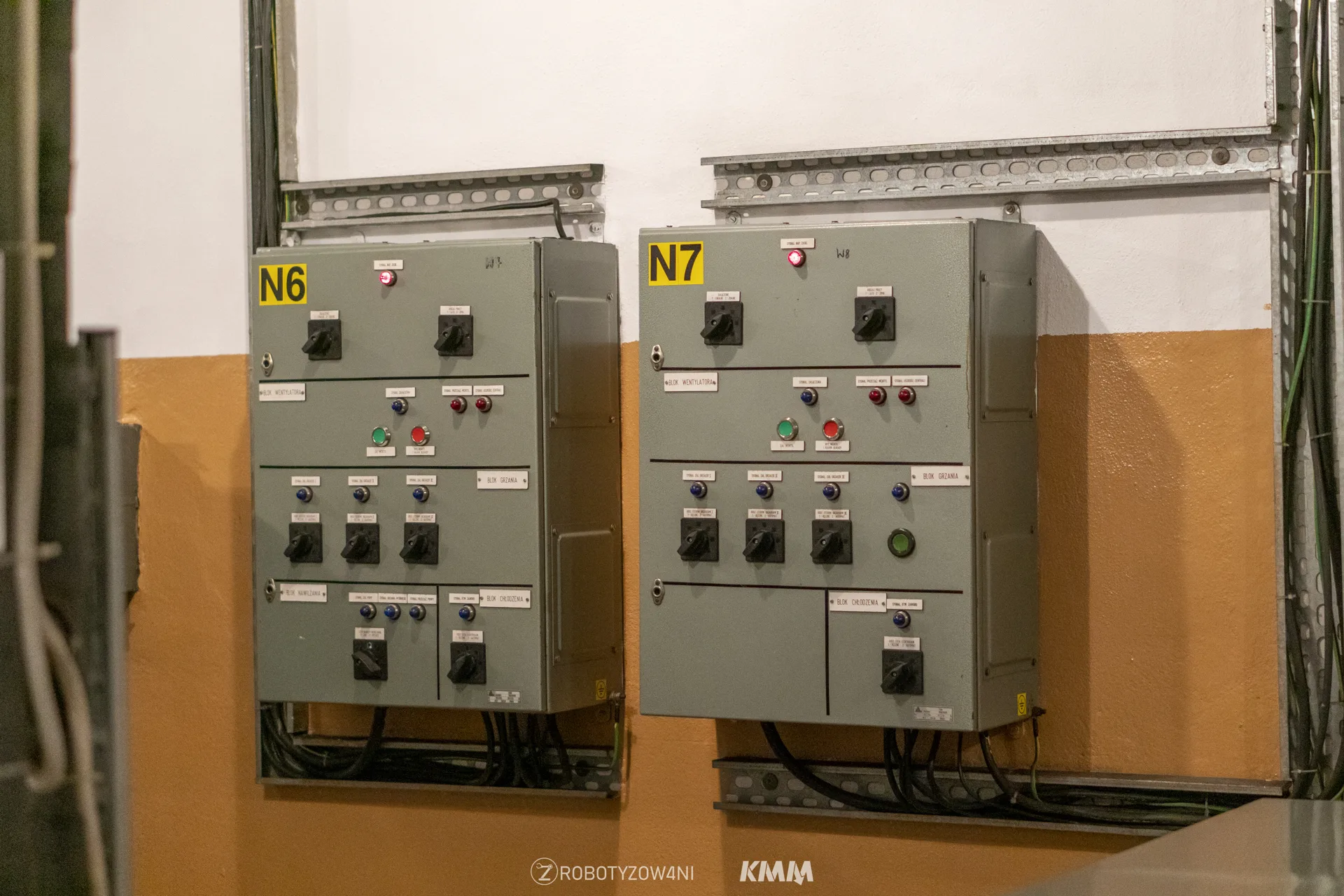
At station A1 Kabaty we saw the Soviet-built station fans. The difference from the first one is clear: the Czechoslovak fan is directly coupled to its motor, while the Soviet ones are belt-driven. After another demonstration we walked through a ventilation tunnel to the ventilation shaft by the station and climbed out through it.
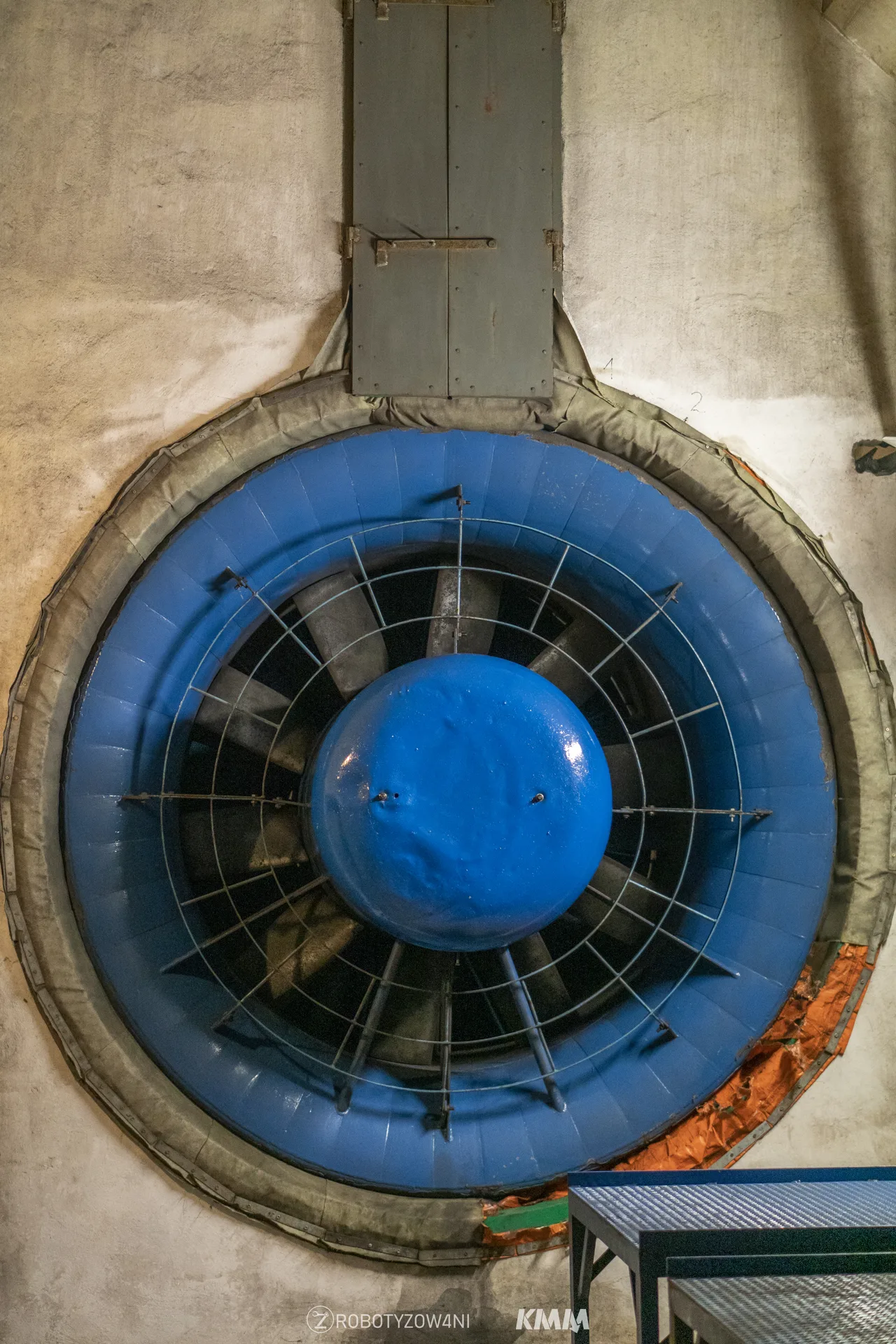
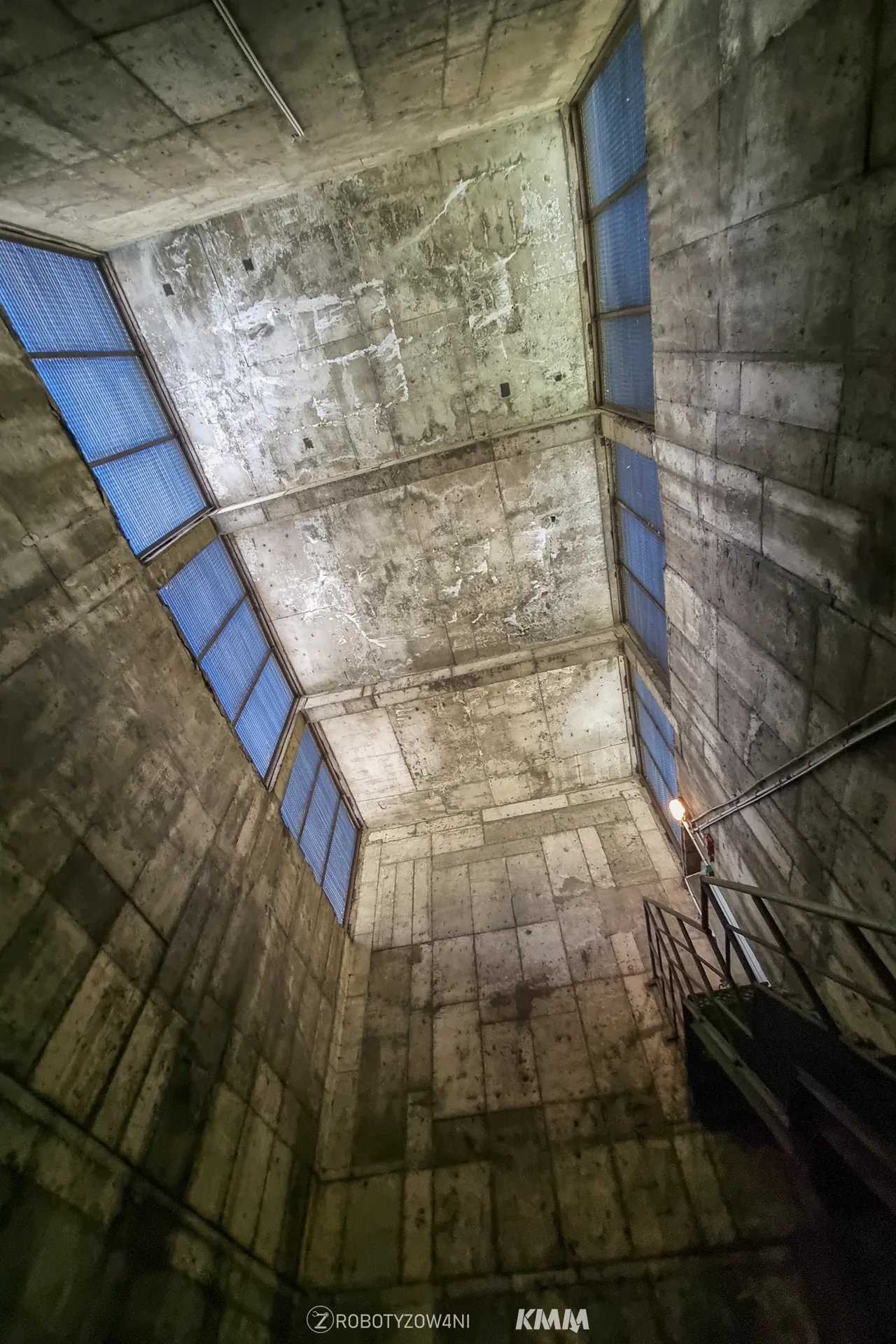
How the trains breathe
Finally, in the Kabaty depot train shed, we stopped at each train type. The oldest Russian-built trains have natural (gravity) ventilation through roof openings while moving. All other types have mechanical ventilation. Our guide mentioned problems with the newer Russian trains: air was not distributed well through the car, and passengers complained on hot days.


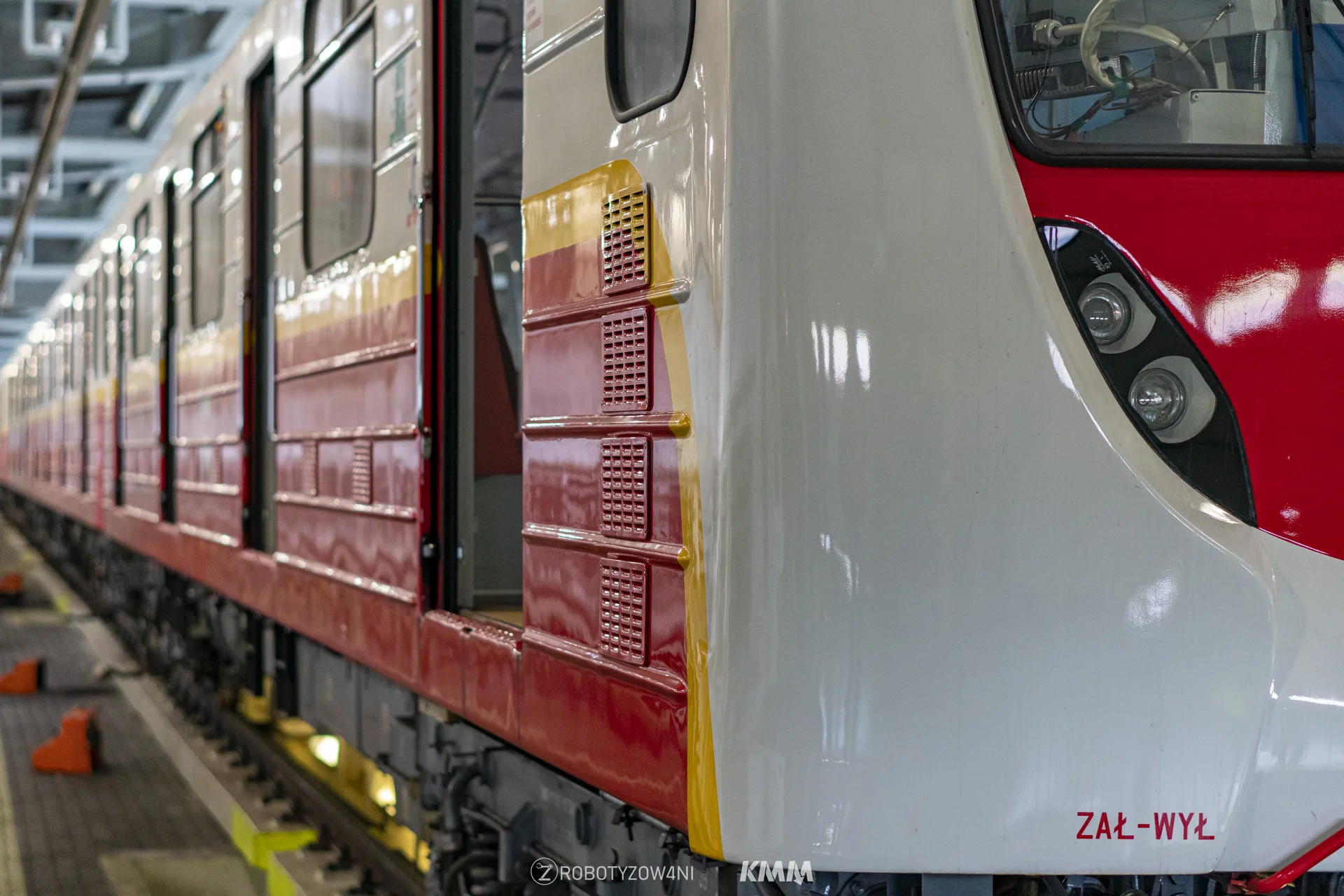
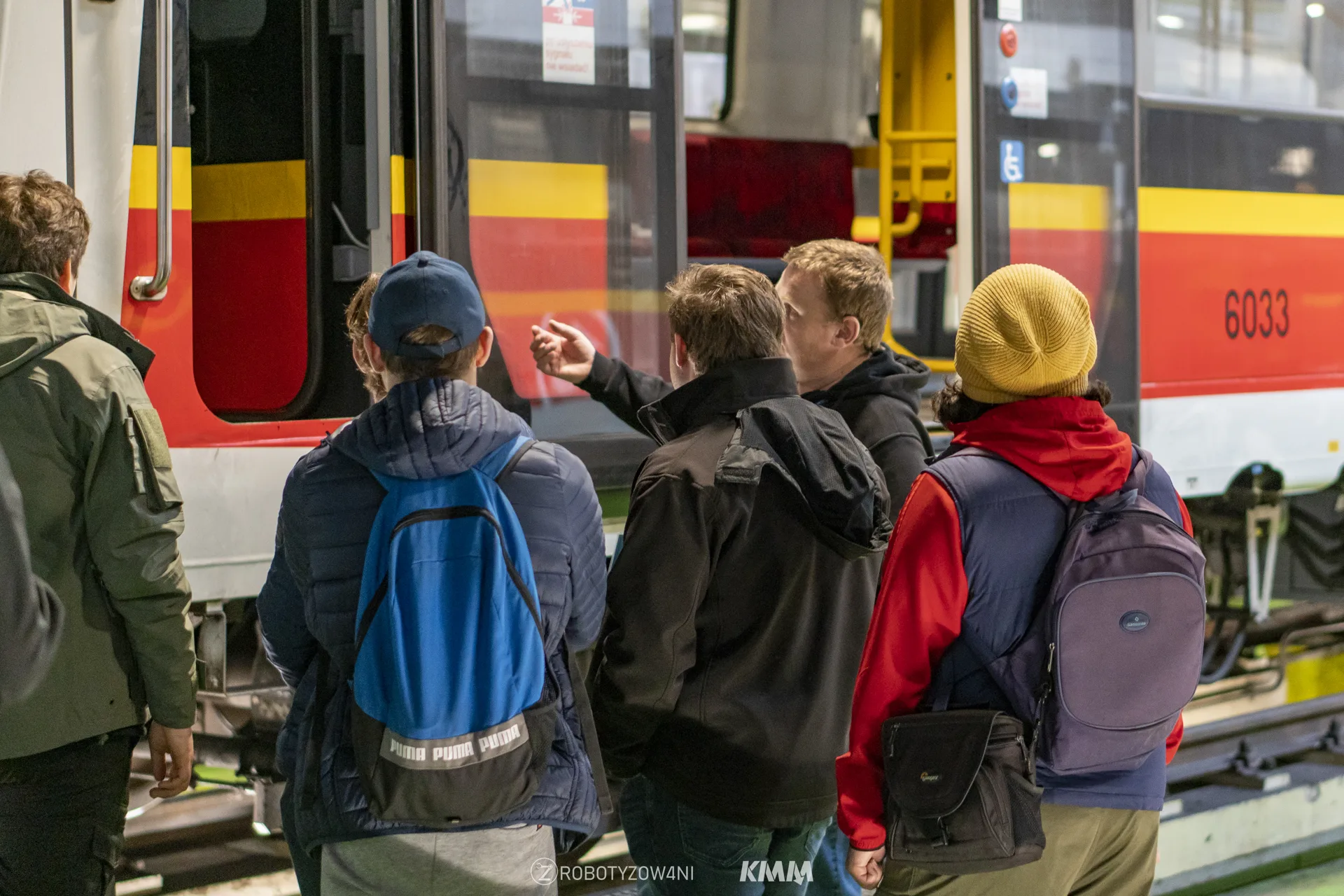
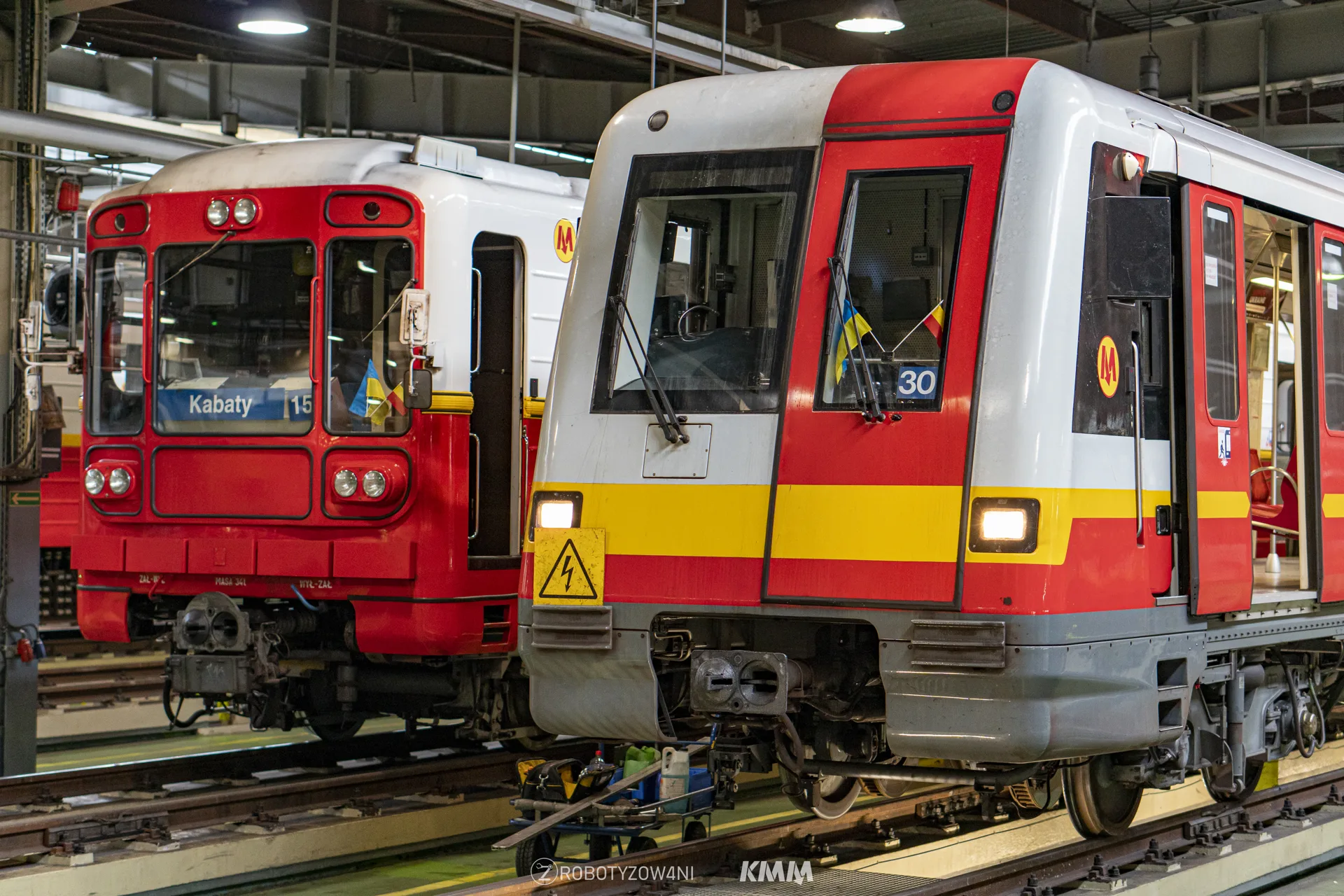

Do metro trains need air conditioning? For now only the drivers’ cabs have it. We were told that if tunnel temperatures are well managed, for example by running the fans during the night break, it is not needed, and overheating in the cars is very rare. Shortly after 12:00 we left the depot.
We thank Metro Warszawskie for opening these facilities and explaining how metro trains and structures are ventilated.
At a glance
| Date | 21 April 2022, approx. 9:00–12:00 |
| Series | “See how the metro breathes underground”, tour no. 1 |
| Organisers | Koło Miłośników Metra and Zrobotyzowani, patronage: Metro Warszawskie |
| Route | line ventilation building on section B1, station fans at A1 Kabaty, Kabaty depot train shed |
| Fans | Czechoslovak line fan, direct drive; Soviet station fans, belt drive |
| Trains | oldest Russian-built: natural roof ventilation; others: mechanical; air conditioning only in cabs |
Frequently asked questions
What is a metro line fan for?
It keeps the air in the tunnel, and so in the trains, at the right temperature, and extracts smoke in case of fire.
How do the fans near Kabaty station differ?
The Czechoslovak line fan is directly coupled to its motor, while the Soviet station fans are belt-driven.
How are Warsaw Metro trains ventilated?
The oldest Russian-built trains have natural ventilation through roof openings; all other types have mechanical ventilation.
Do Warsaw Metro trains have air conditioning?
In 2022 only the drivers’ cabs did. According to the guides, with well-managed tunnel temperatures it is not needed in the cars.
Trip report originally published on the website of the Metro Enthusiasts’ Circle (Koło Miłośników Metra) (26 May 2022). Text rewritten and translated by the Zrobotyzowani editorial team. Original Polish report on kmmetra.pl. Photos: Zrobotyzowani / Koło Miłośników Metra.