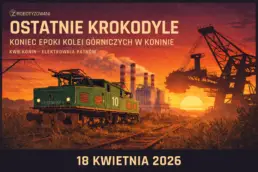
Date: April 18, 2026 | Location: Konin Lignite Mine | Mission: Farewell to the Crocodiles

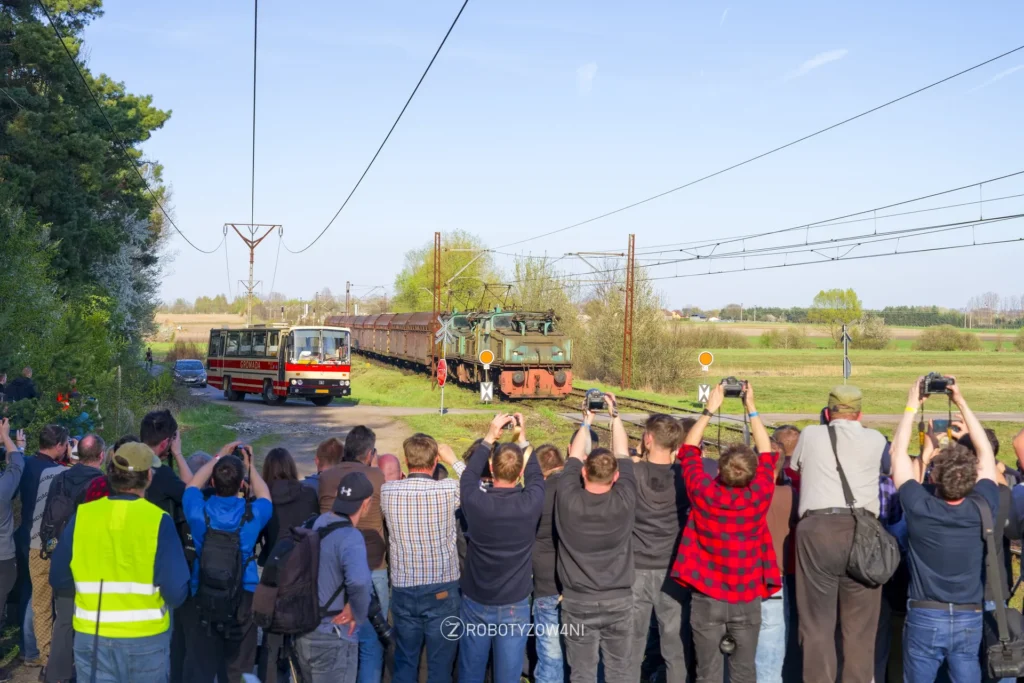


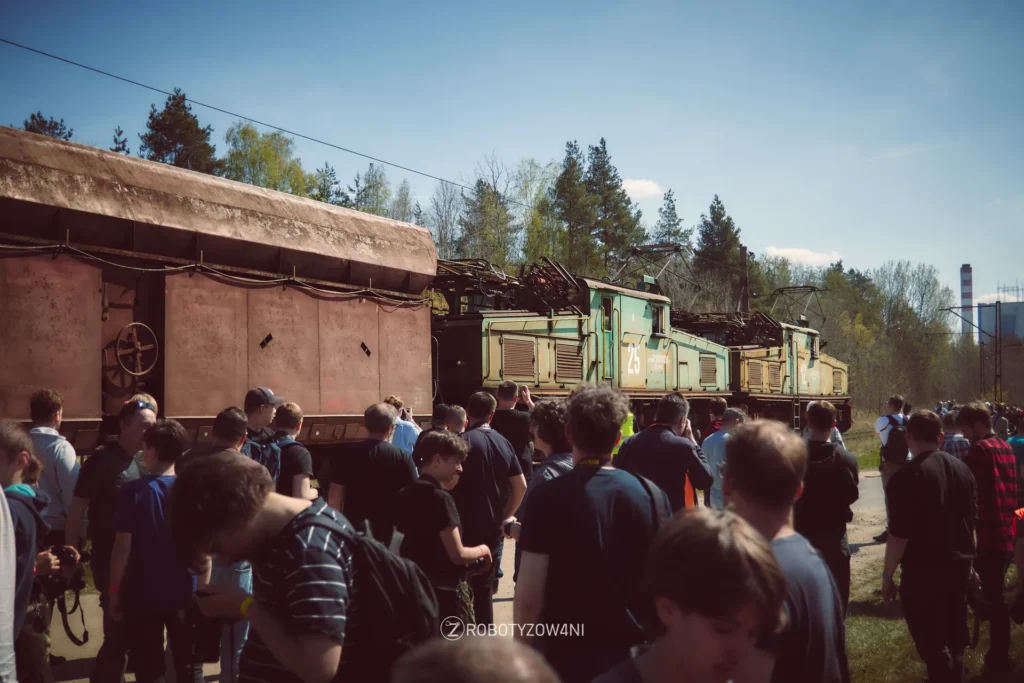

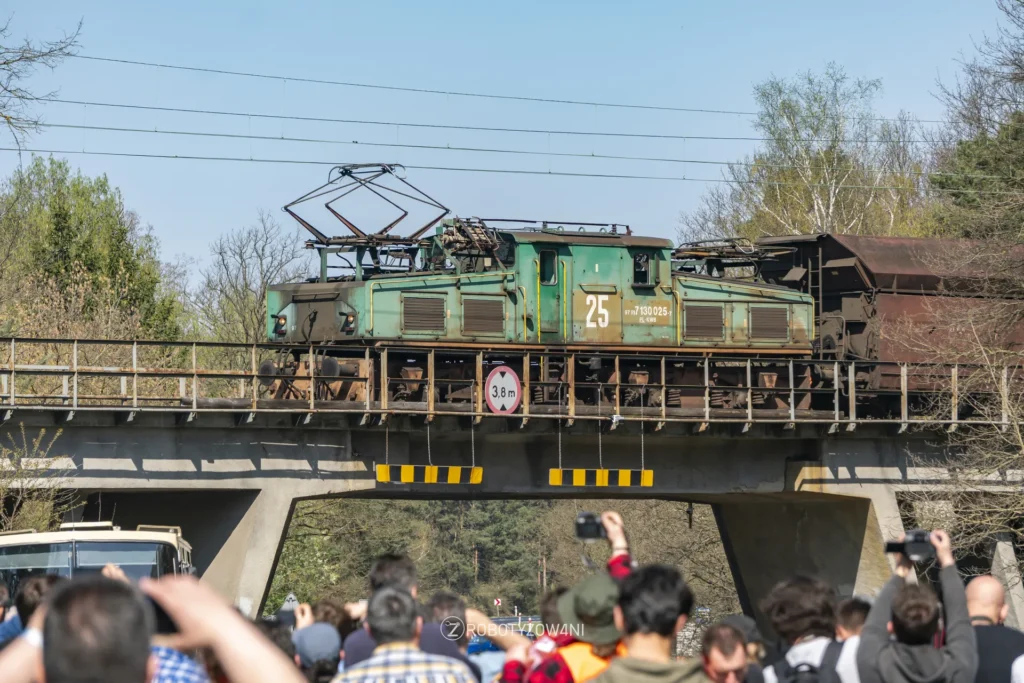
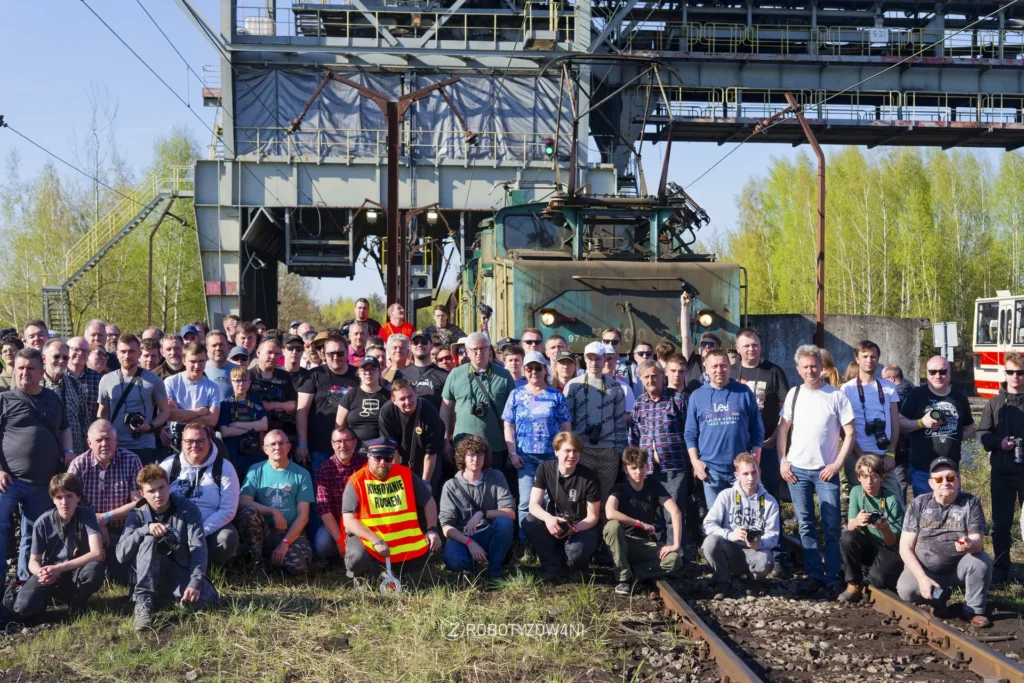
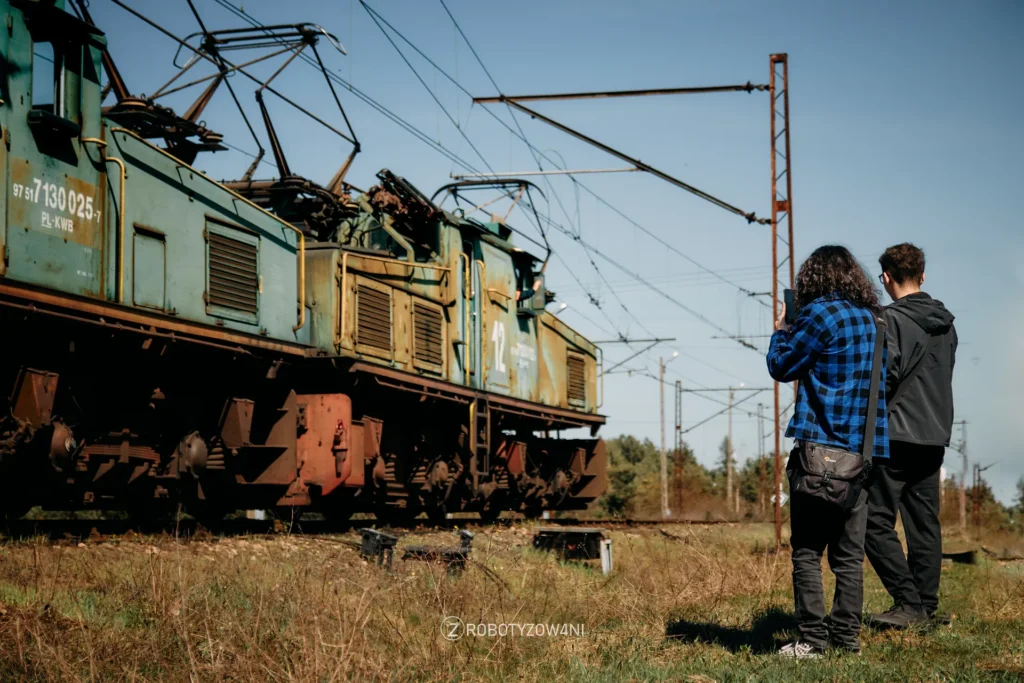
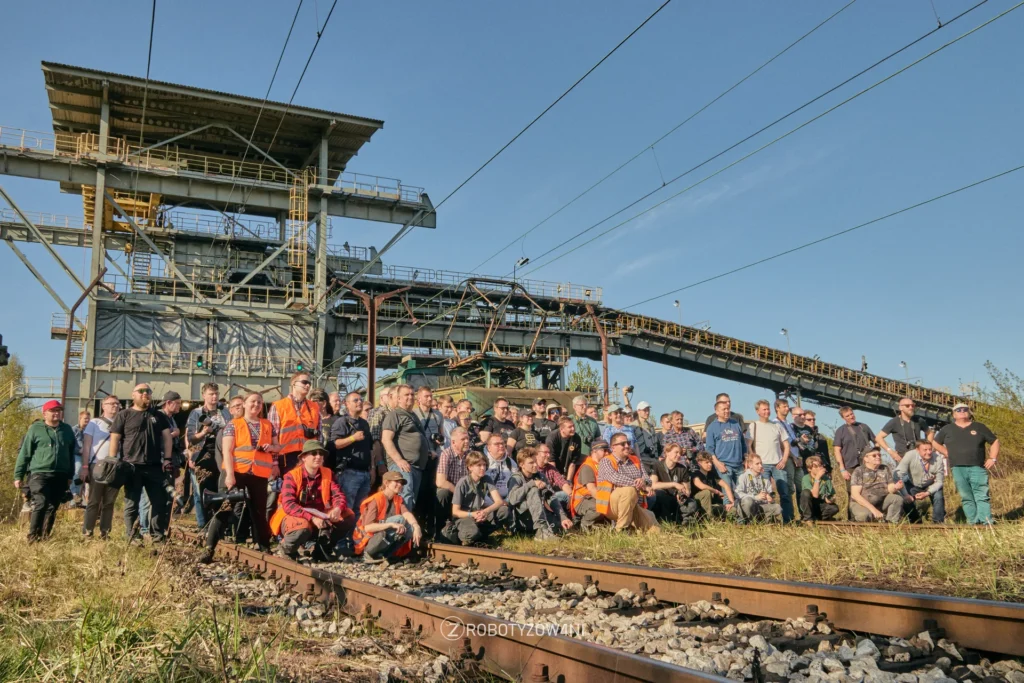
Some events in industrial tourism are simply interesting. Others become defining moments of an era, and still others close chapters in a story. “The Last Crocodiles” at KWB Konin was exactly that kind of day: on April 18, 2026 we gathered on the mine’s railway grounds to bid farewell to the legendary EL2 locomotives and accompany them on one of the last — and so photographically extensive — runs across the network of the Mining Railways of the Konin Lignite Mine. From the perspective of just a few weeks later, we now know that this moment was even more precious than we suspected: on April 30, 2026, the 68-year operation of EL2 locomotives in Poland came to an end.
For us, this is not just an event report, but something more: a record of access to a world that ordinary tourists do not enter. Since 2019, Zrobotyzowani have been building a “renaissance of industrial tourism” in Poland, organizing tailor-made technical tours and opening the doors to places not seen up close every day — active plants, industrial railways, mines and technical facilities. We try to show you the “behind the scenes of great industry,” to step onto active mining sites, to let you touch the spirit of the industry that Poland was once built upon. That is exactly why the farewell to the “Crocodiles” had such power.
Want to see with your own eyes how gigantic, multi-storey bucket-wheel excavators effortlessly swallow entire hills, and how mighty spreaders can reshape the terrain and move rivers within hours, creating a completely new landscape? Join our upcoming events and discover these and other secrets hidden at the bottom of the great, moon-like opencast mines! Join us, subscribe to the newsletter! Don’t be an ordinary tourist – become a Zrobotyzowany!



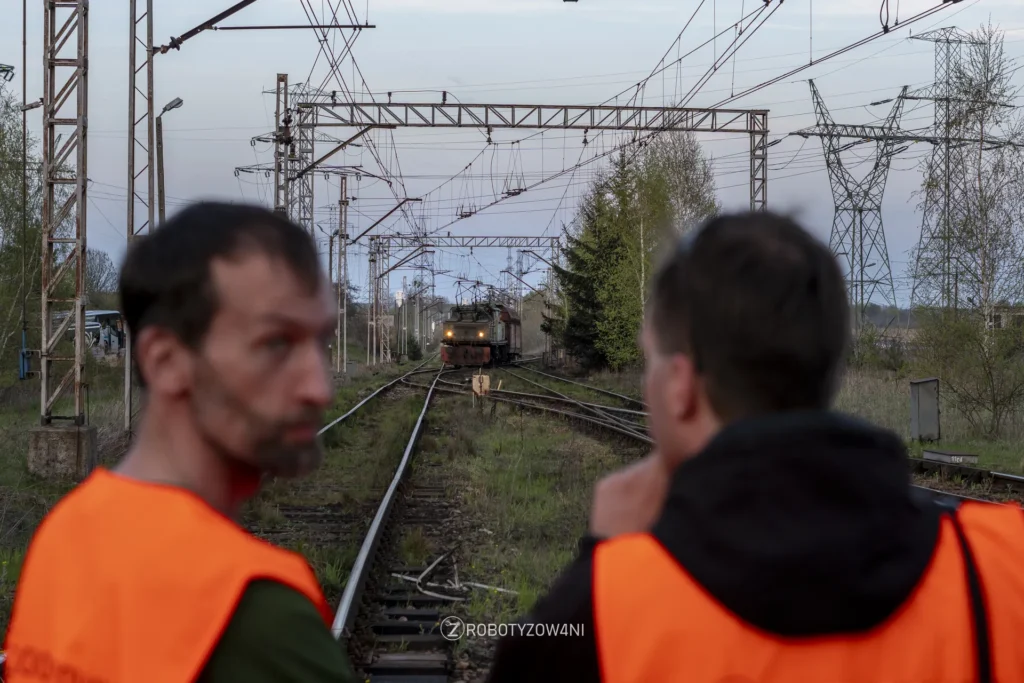
Where the ordinary tourist does not reach
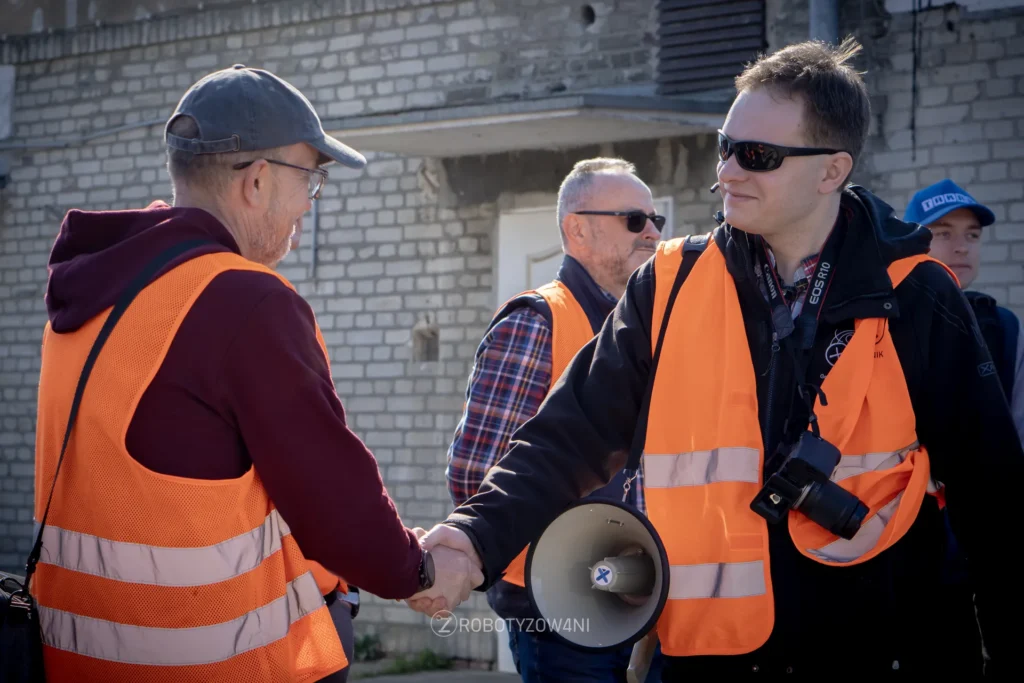
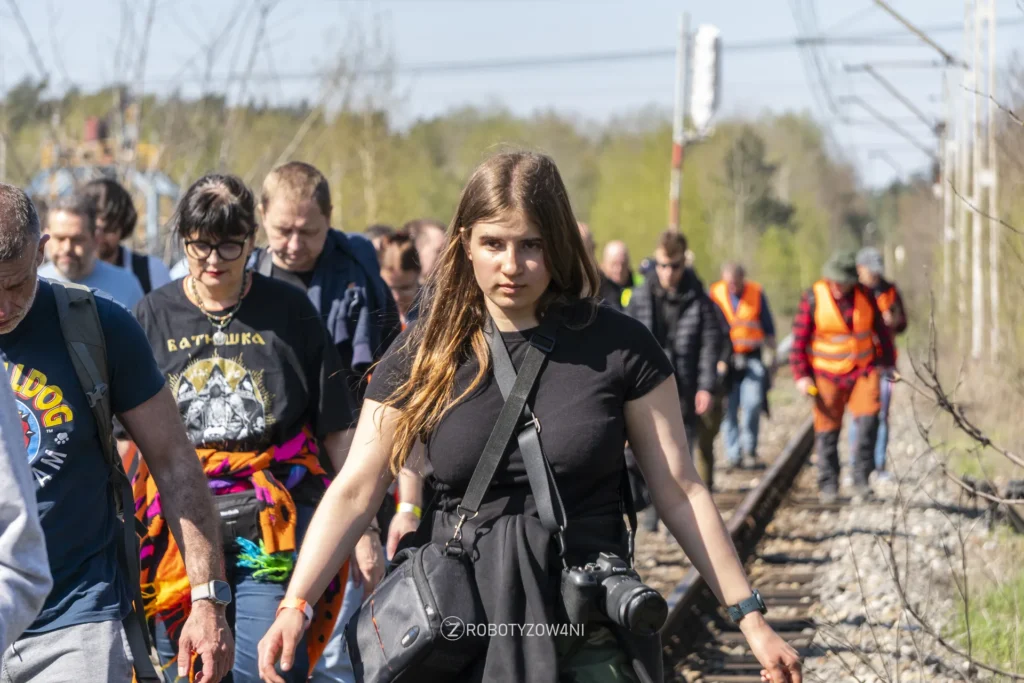
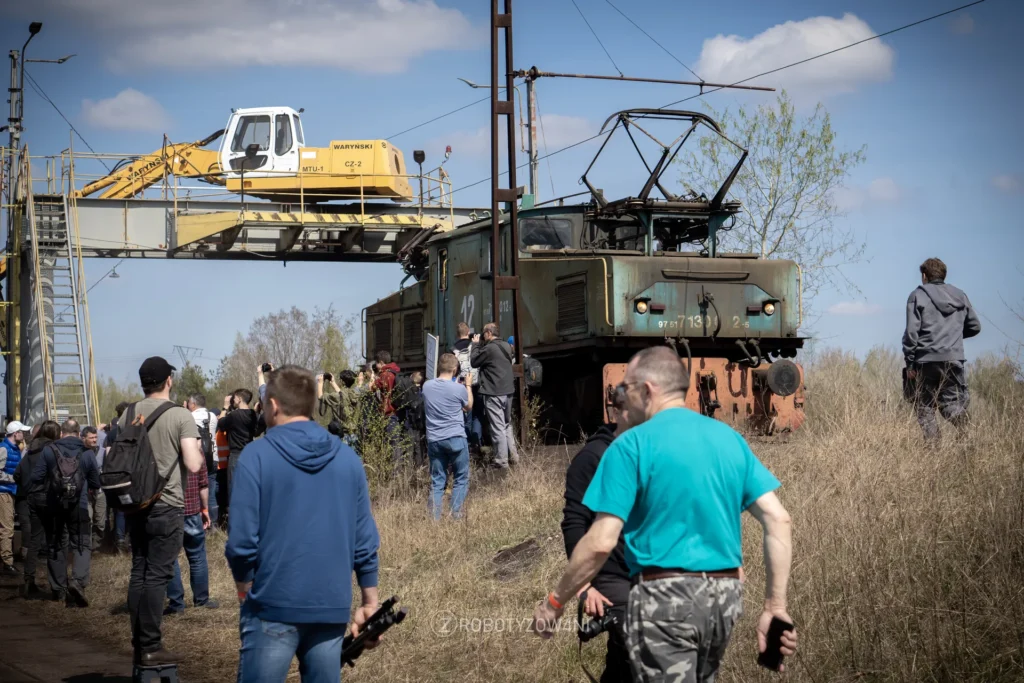
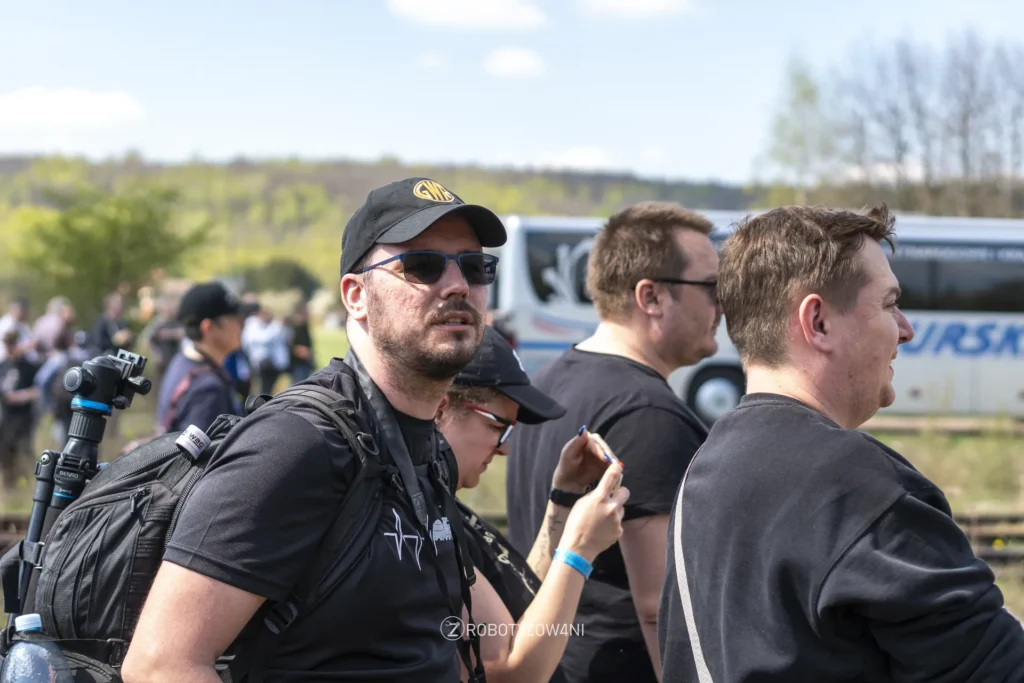
It was clear from the start that we were not taking part in an ordinary trip. The introduction to the commemorative brochure prepared for the participants emphasized that this event had a special character, as it was connected with the farewell to locomotives that for years had been the trademark of the Mining Railways in Konin and attracted the attention of rail enthusiasts from Poland and around the world. At the same time, the organizers reminded everyone that it was the third and final special run with the “Crocodiles” prepared by Zrobotyzowani — and one of the last opportunities to see these machines in their natural environment.
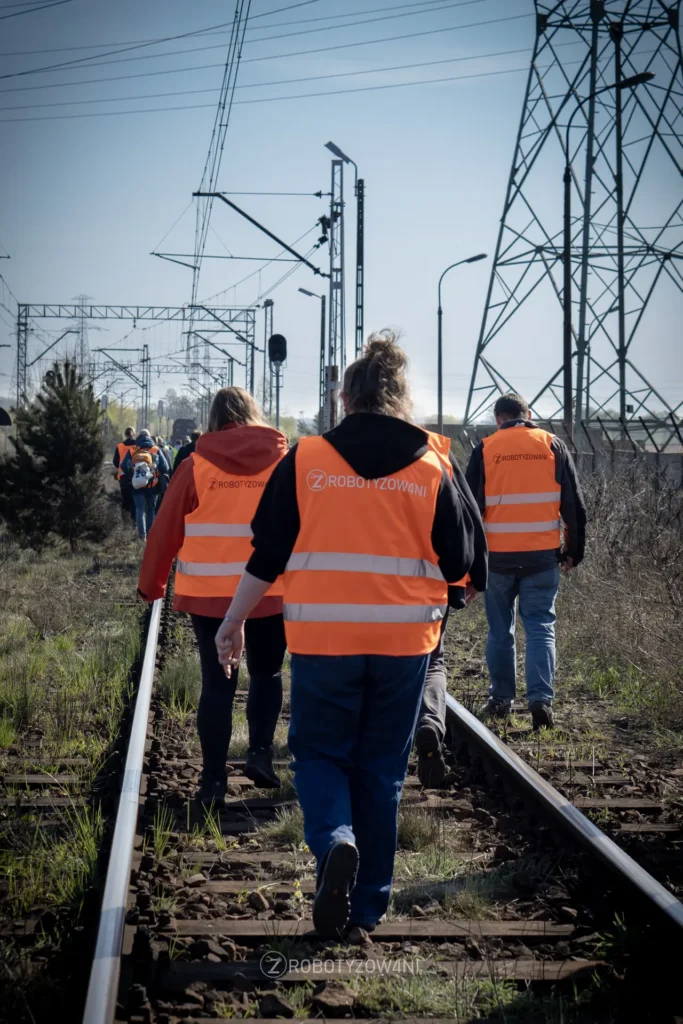
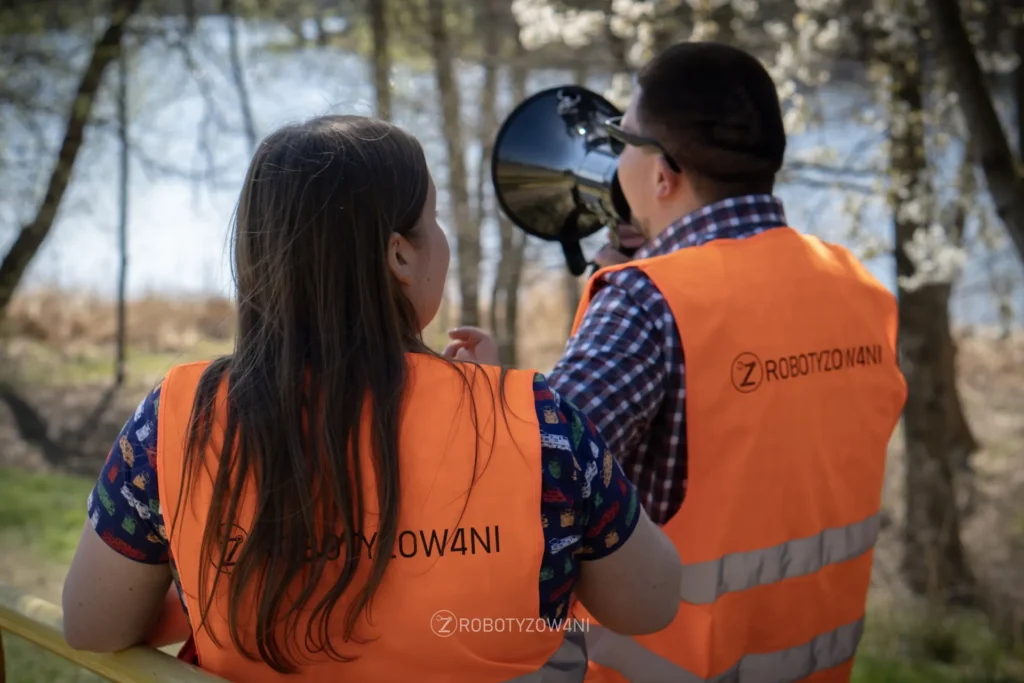
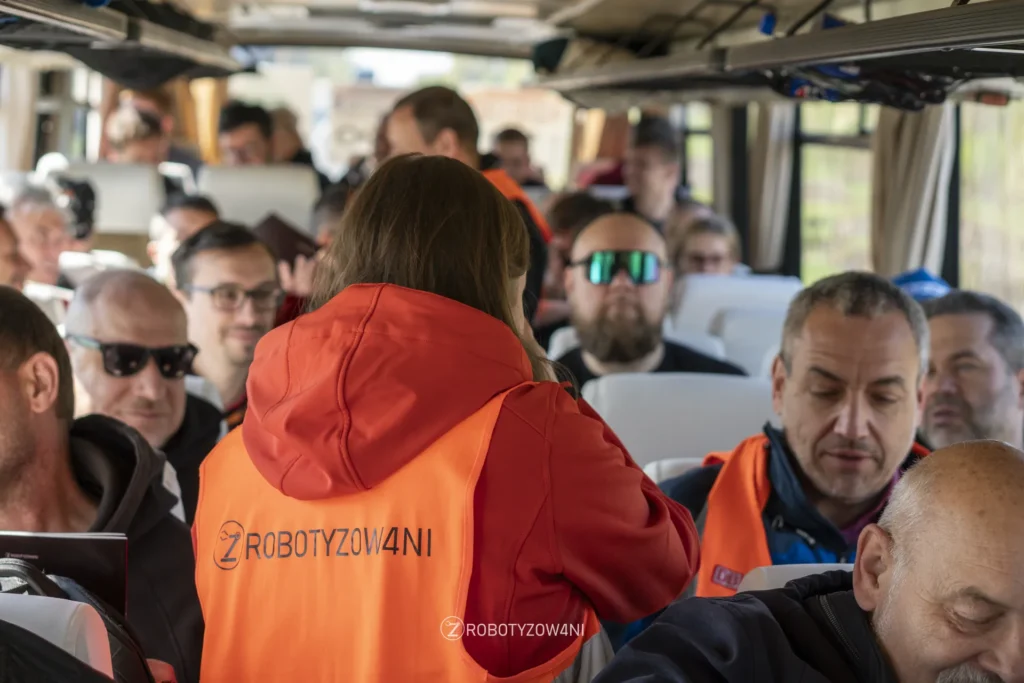
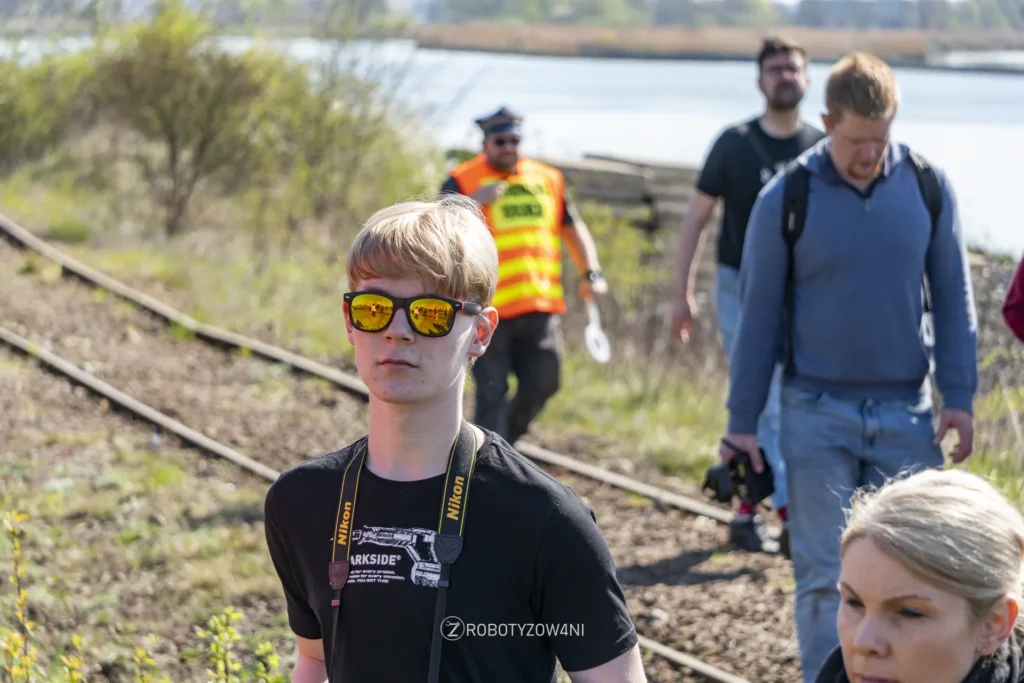
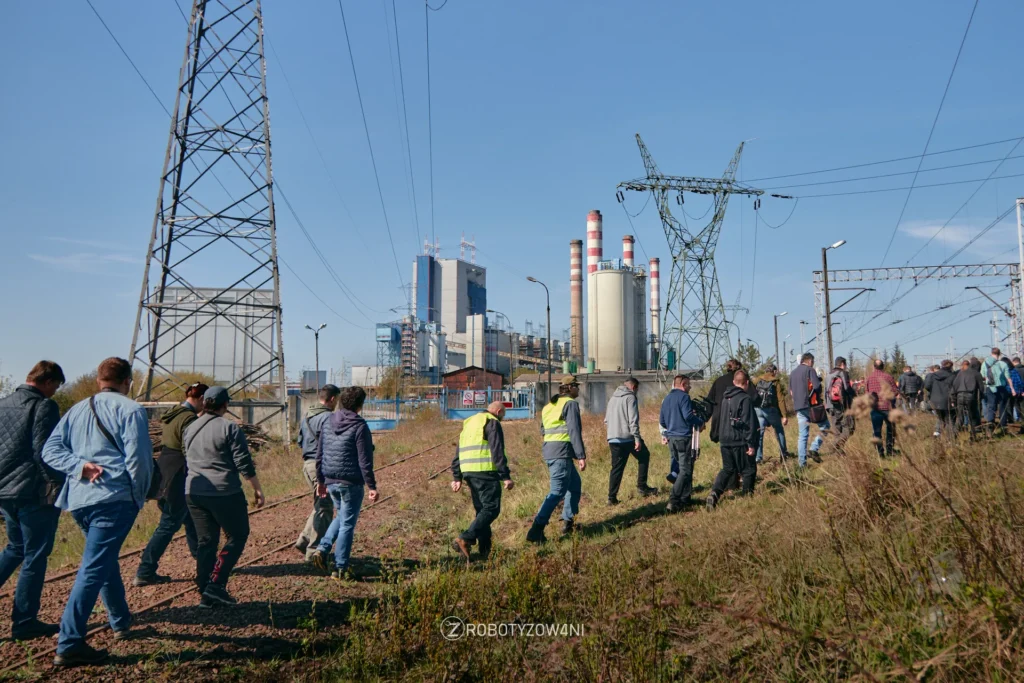
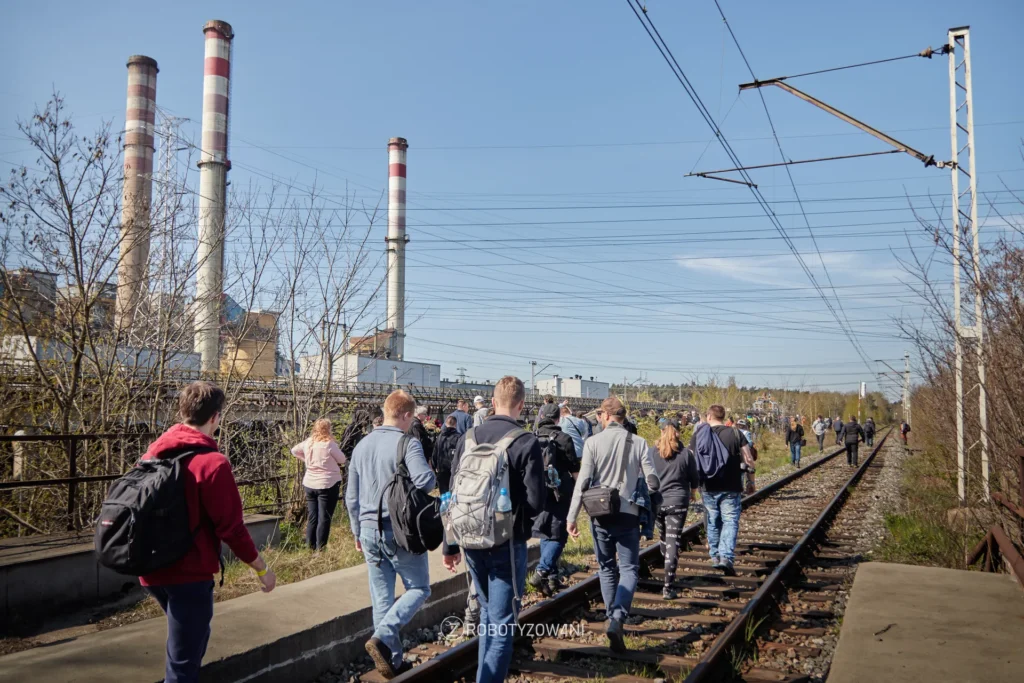
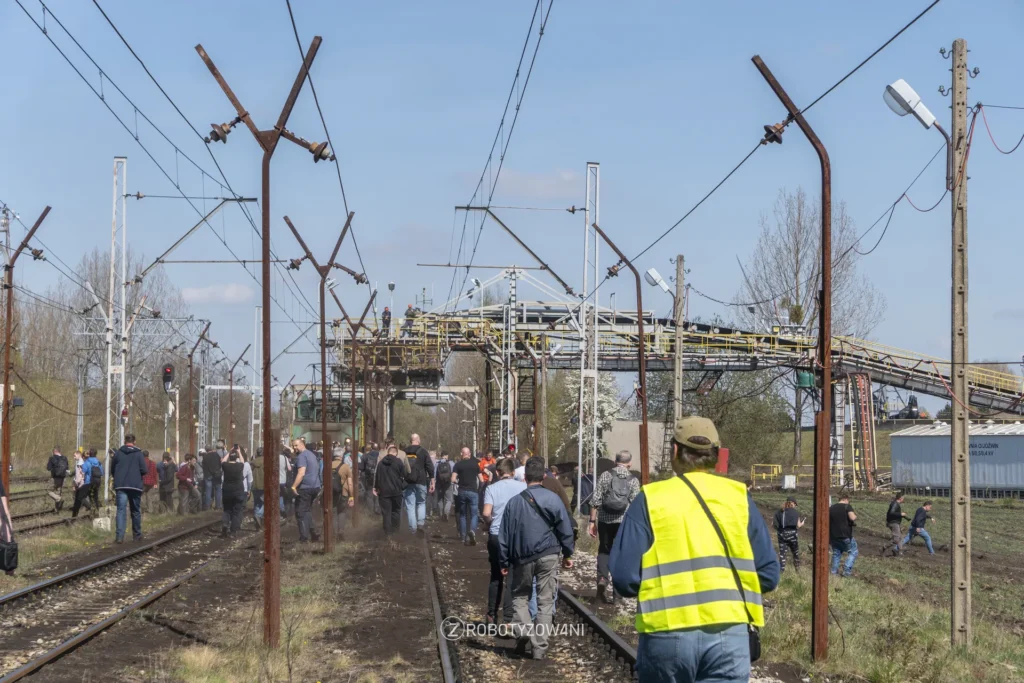
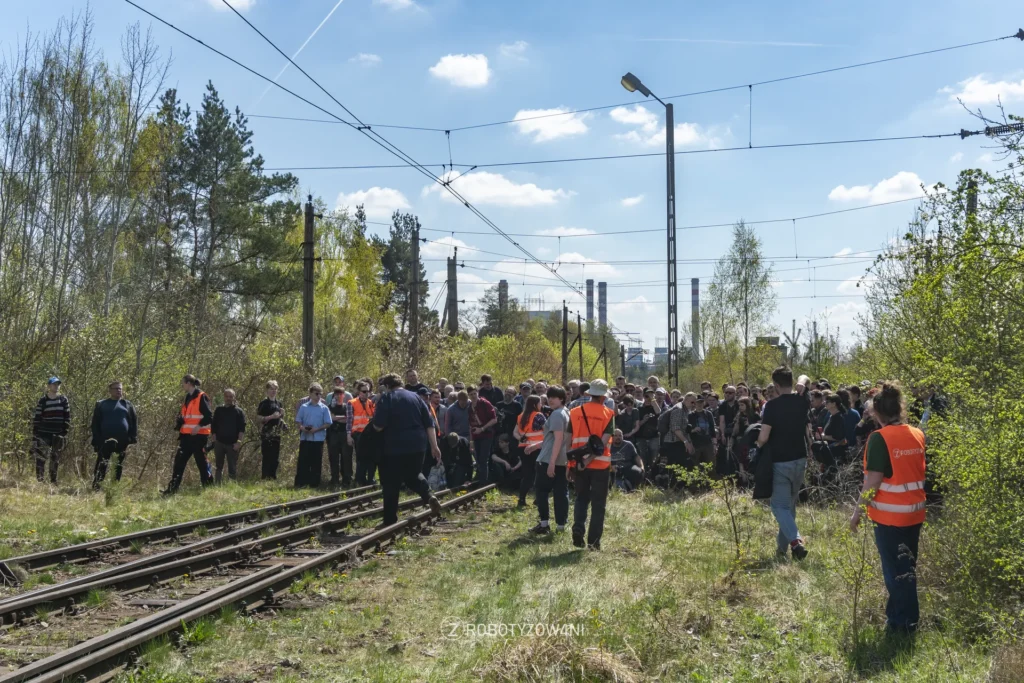
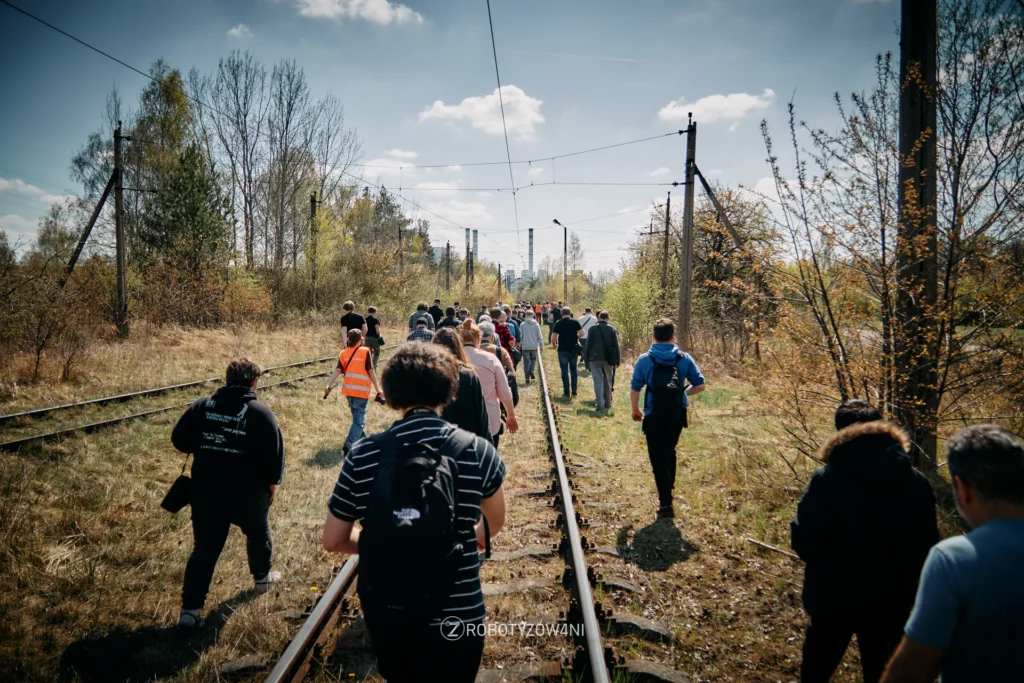
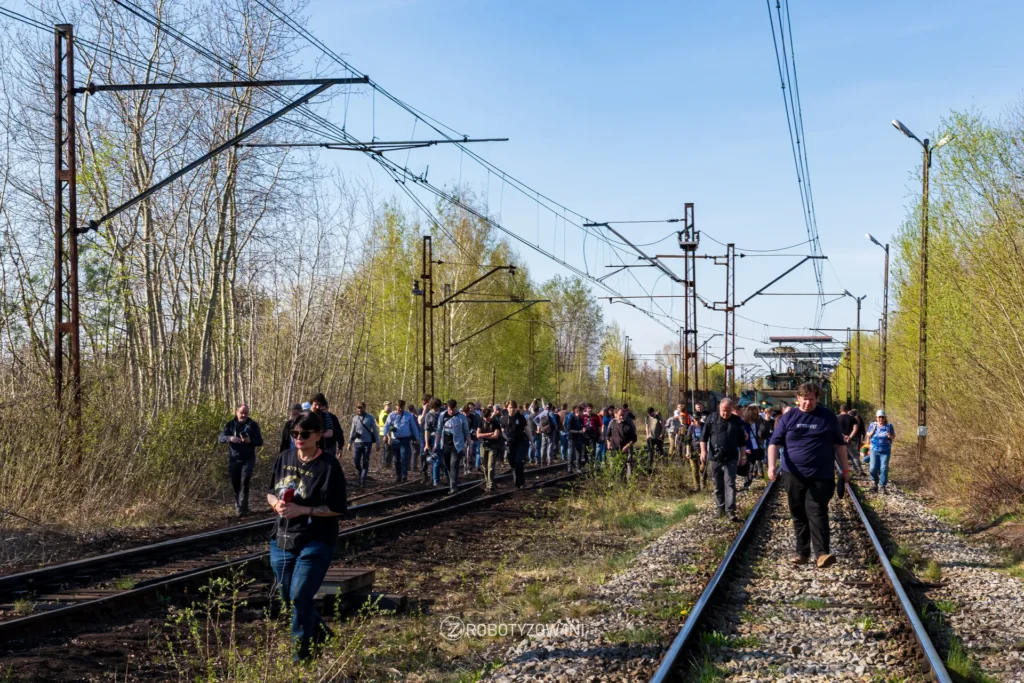
This was not a day for improvisation either. From the very beginning, the event was communicated as a special program on the grounds of an active plant: with a bus ride following a special freight train pulled by an EL2 locomotive, with photo stops, lunch and clearly defined safety rules. Long trousers and shoes with stable, anti-slip soles were required, and the Zrobo team reminded everyone that there is no room for going off the rules on railway and industrial premises. Excellent — it is exactly this kind of discipline that makes Zrobotyzowani’s technical tours intensive and exclusive – and most importantly, safe.


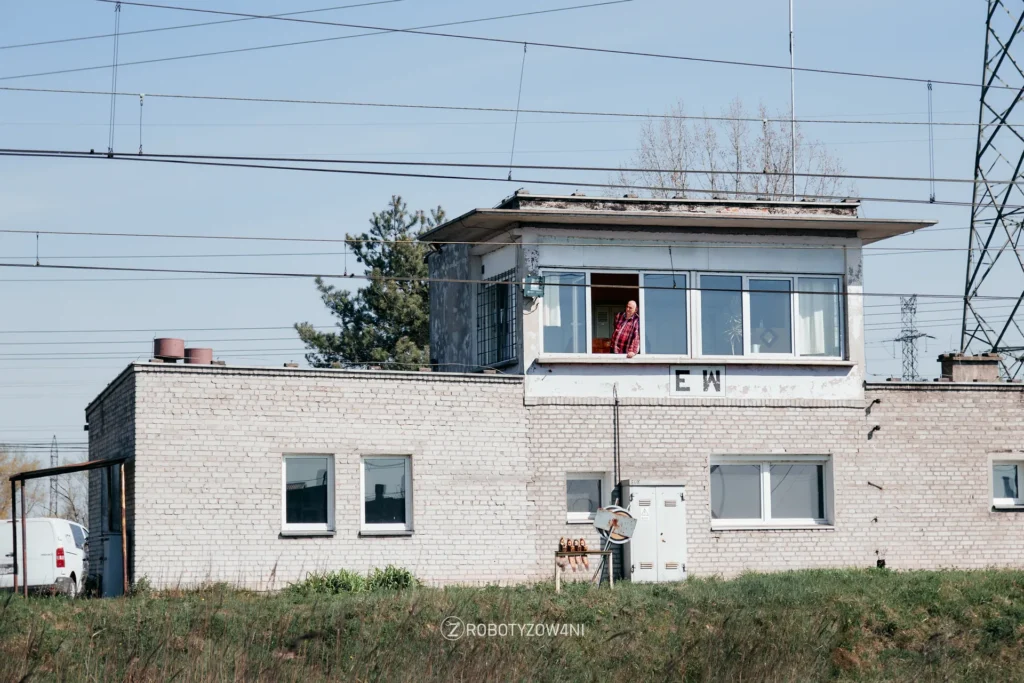
Morning at the EW signal box and traces of the mine’s oldest history
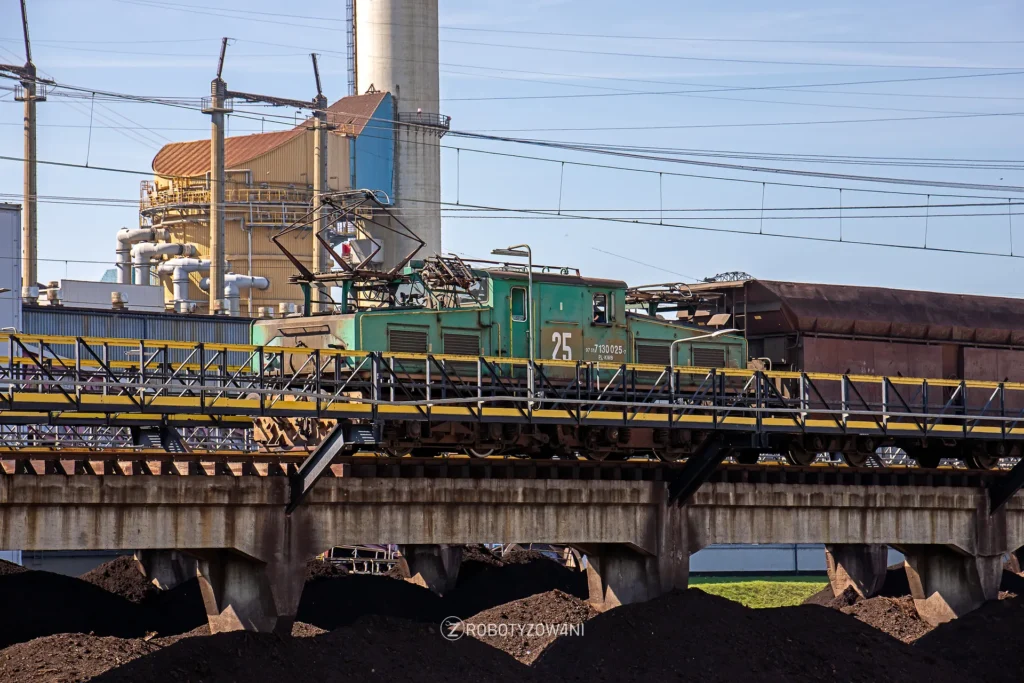
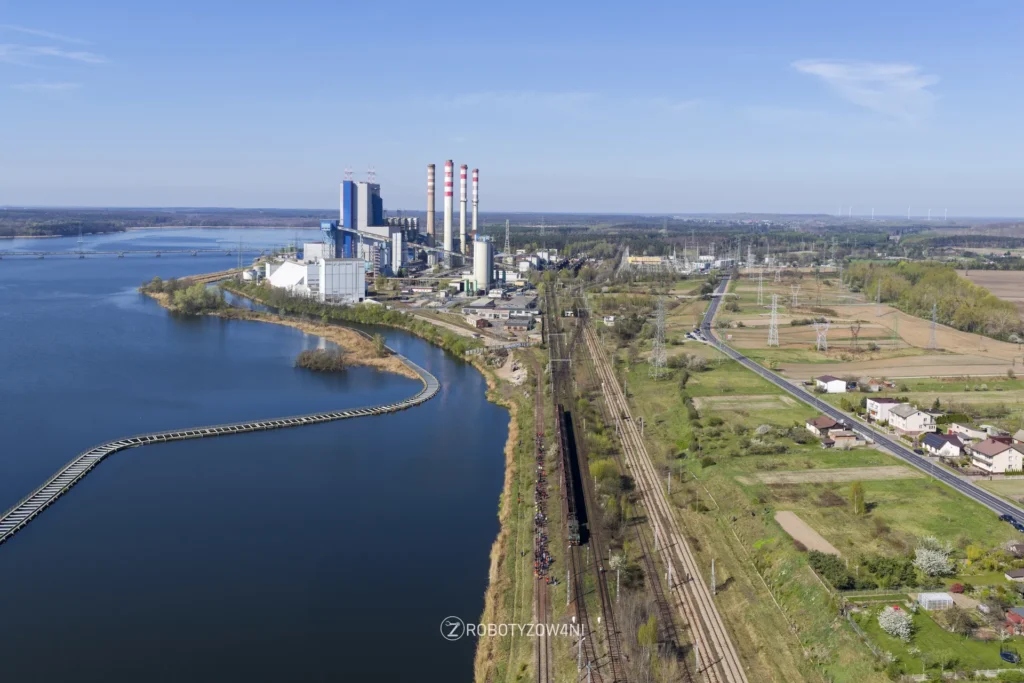
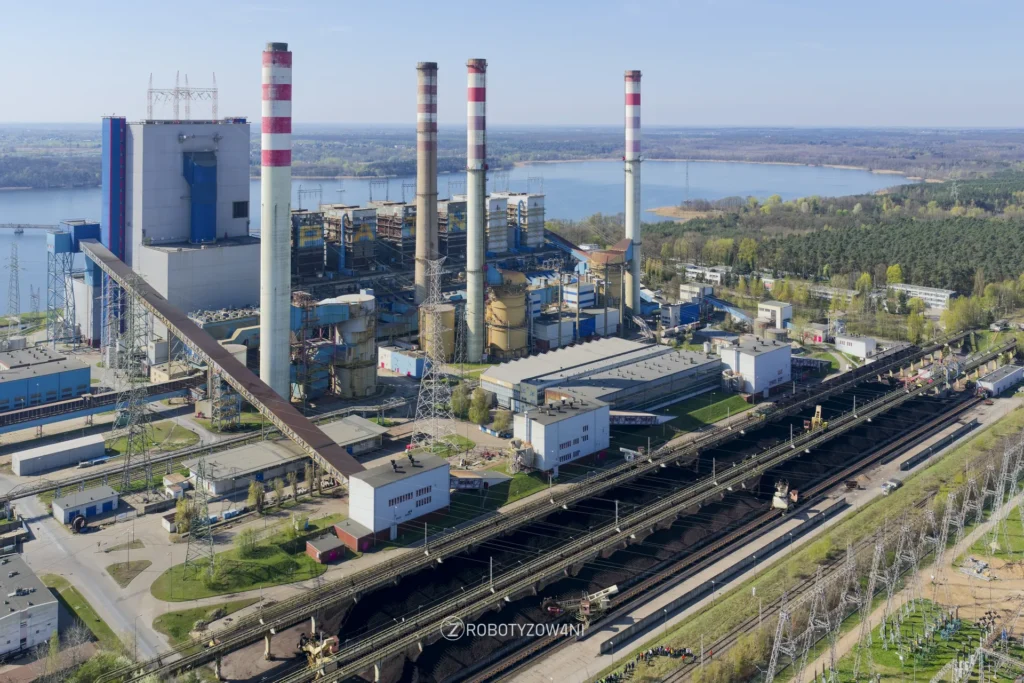
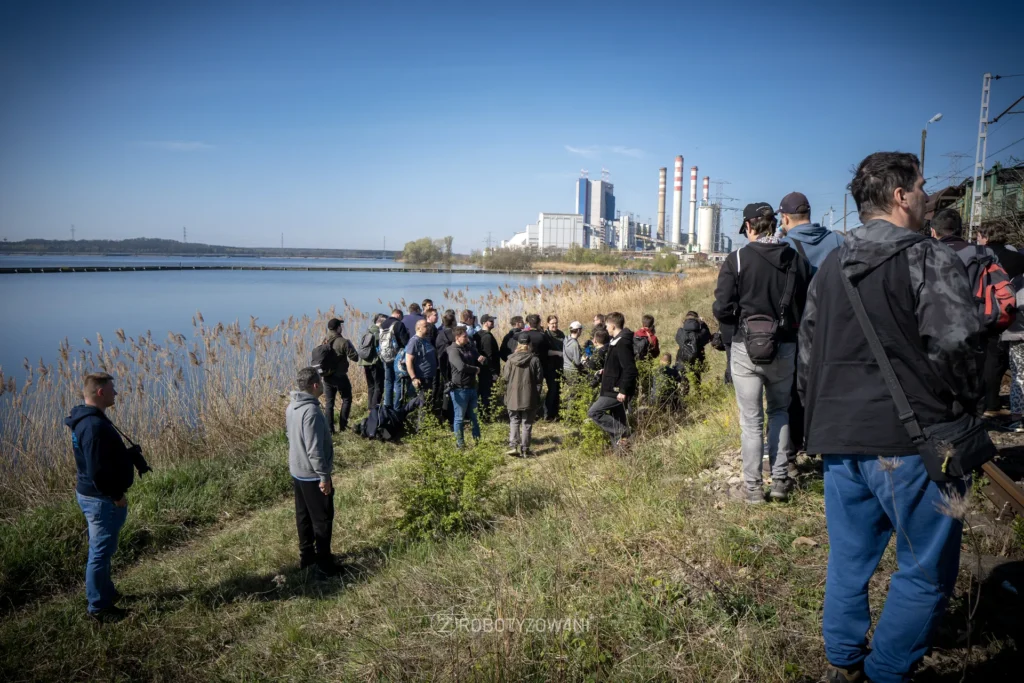
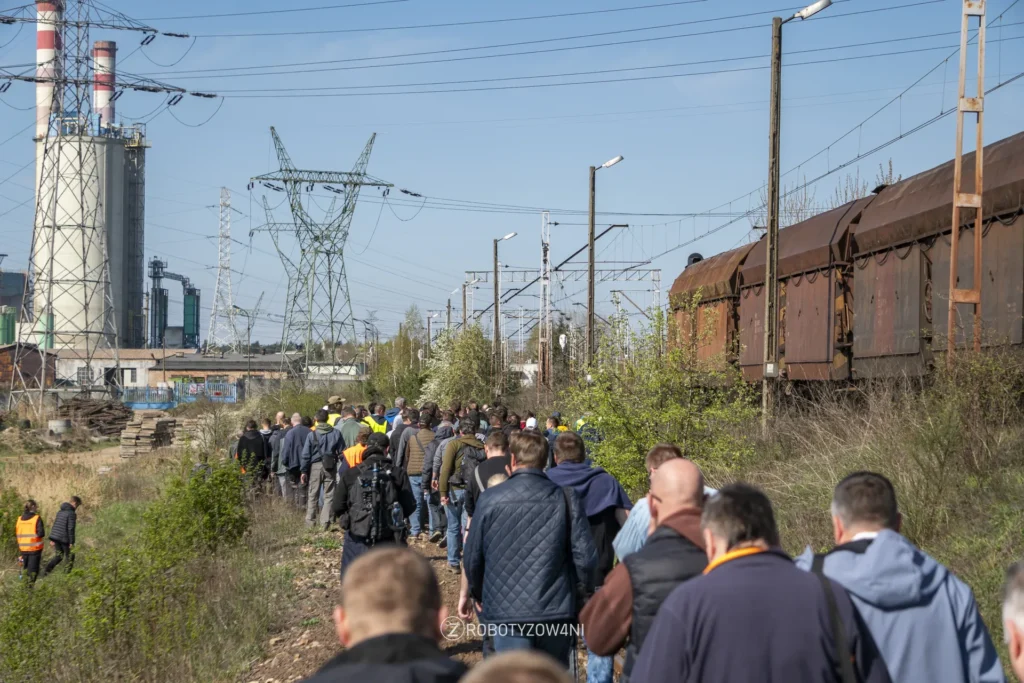
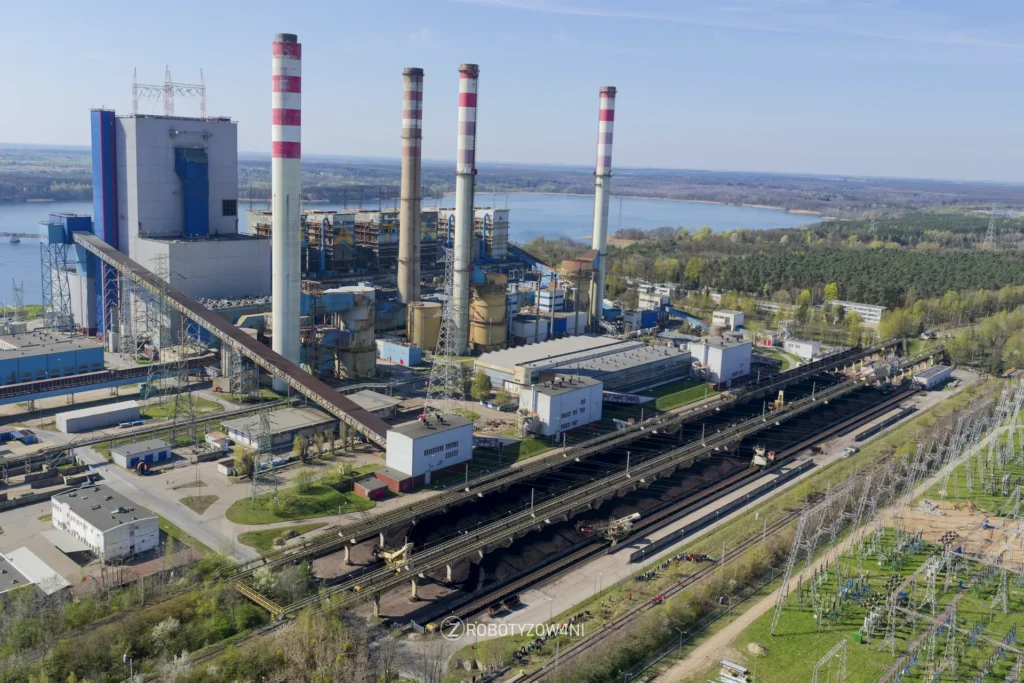
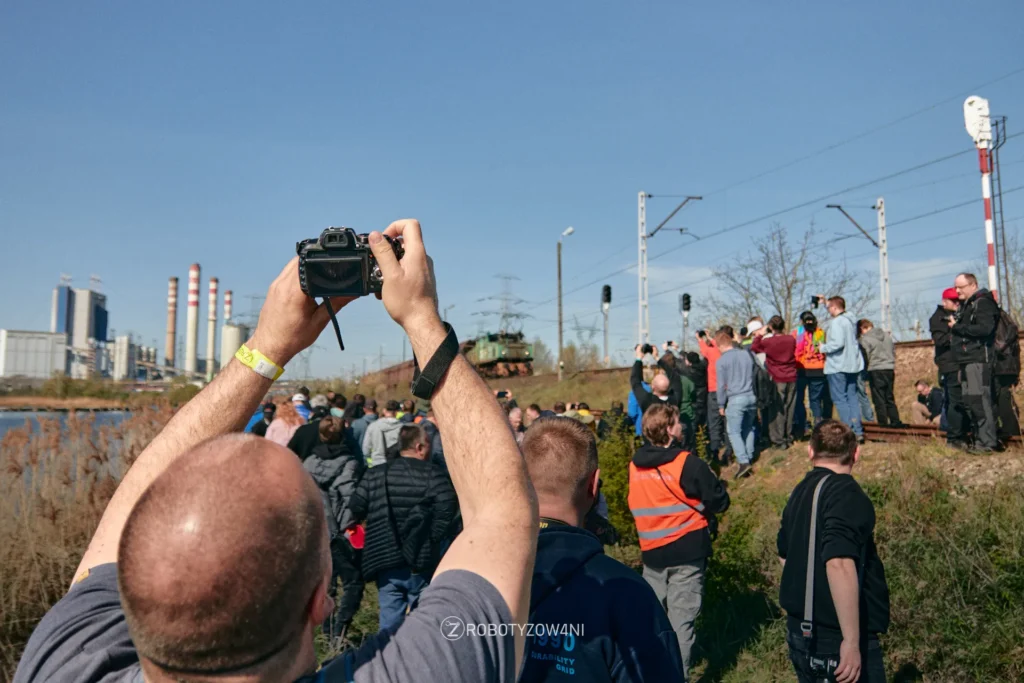
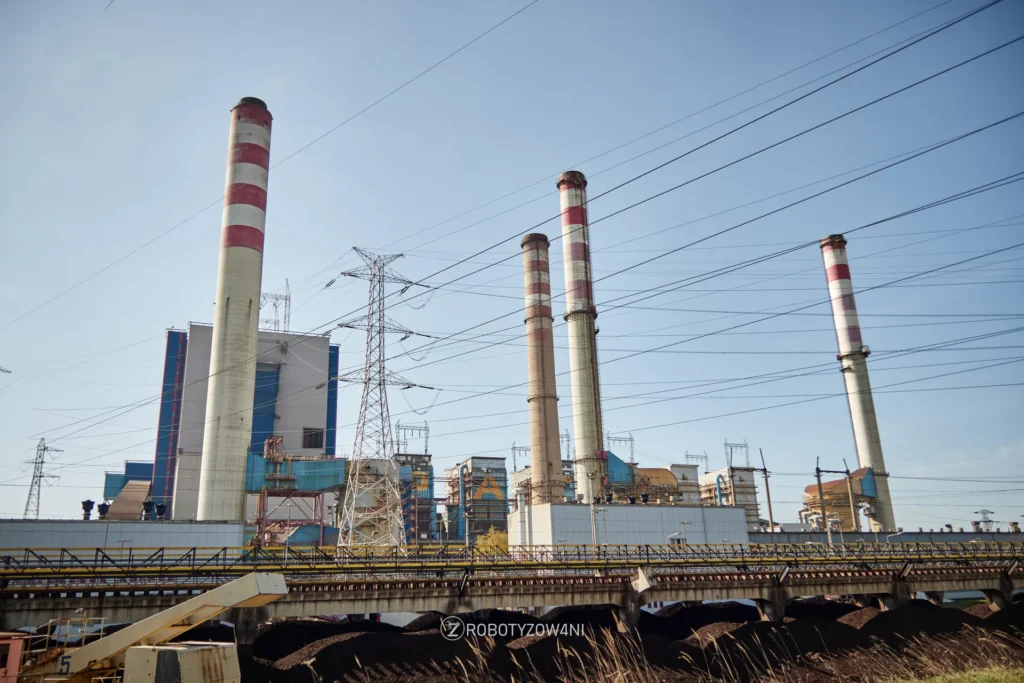
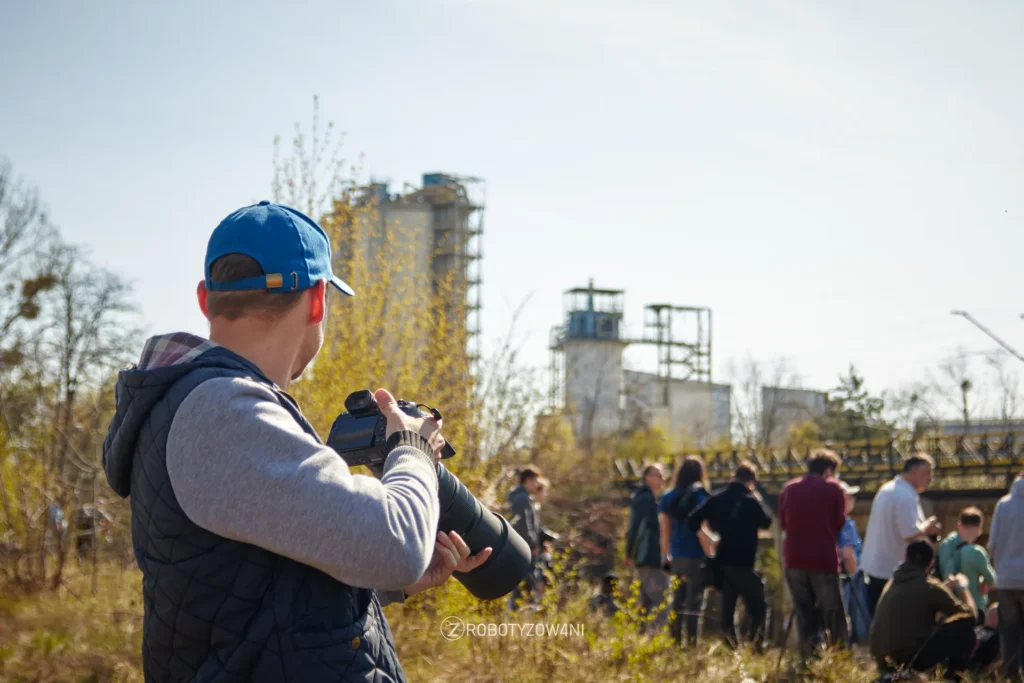
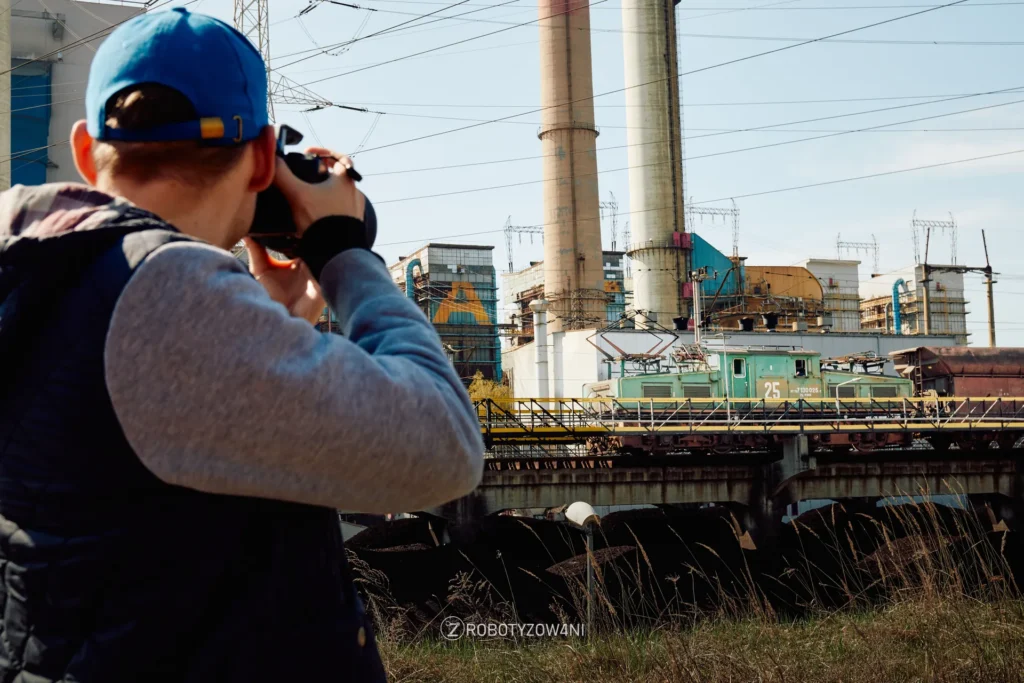
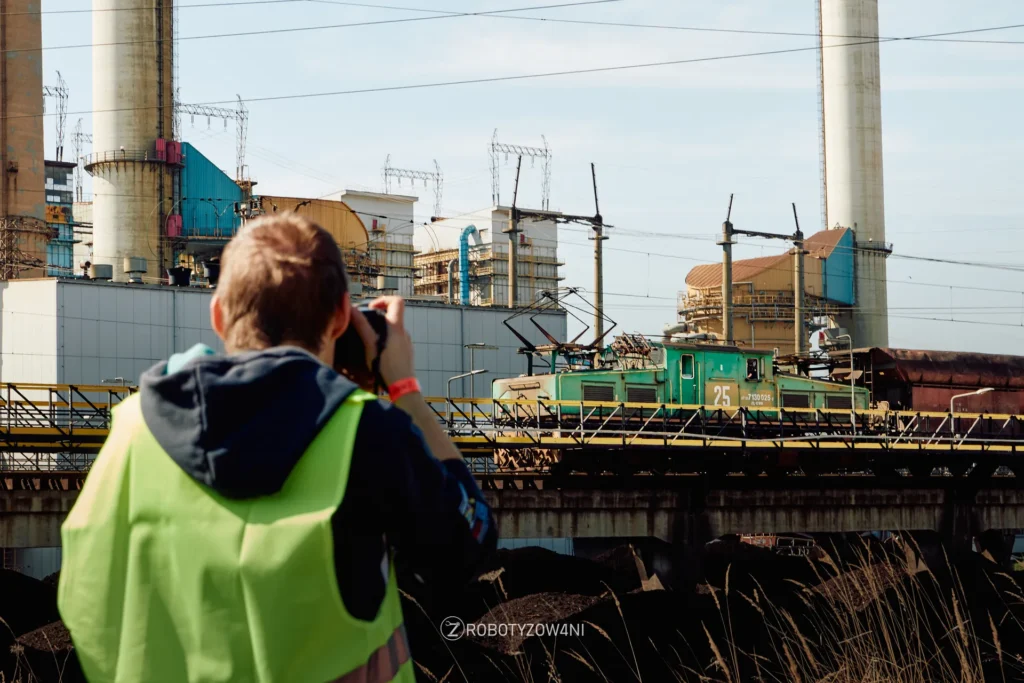
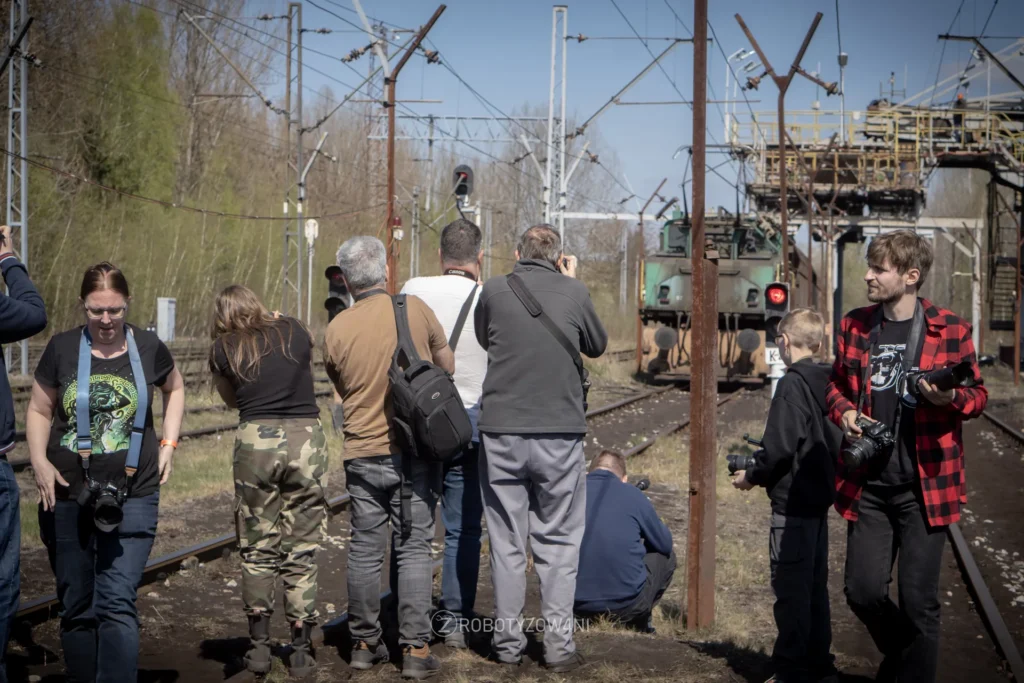
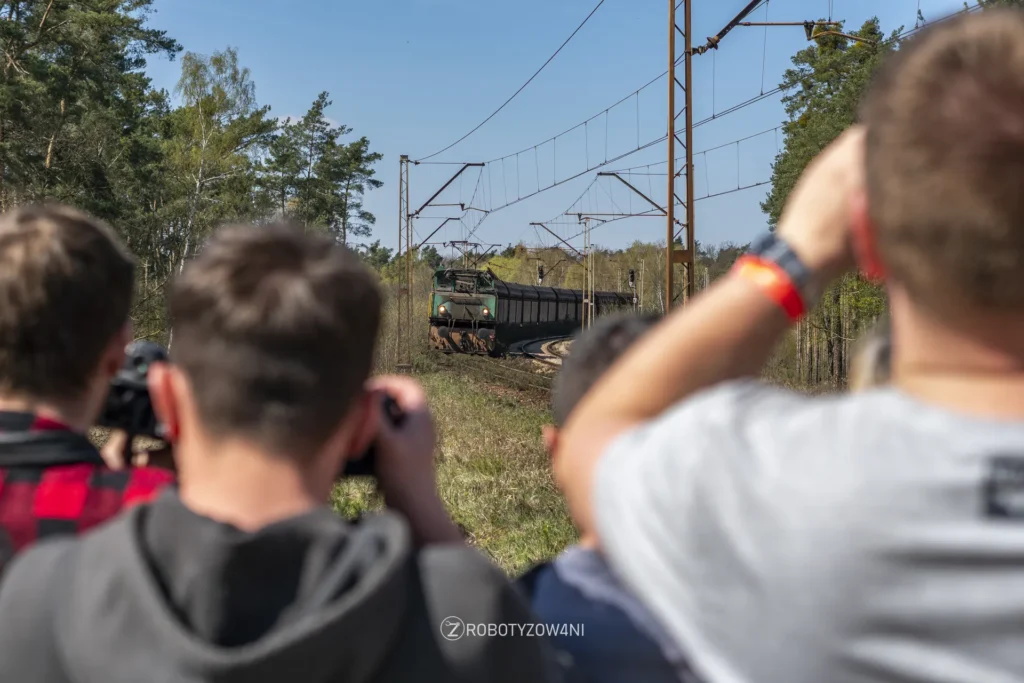
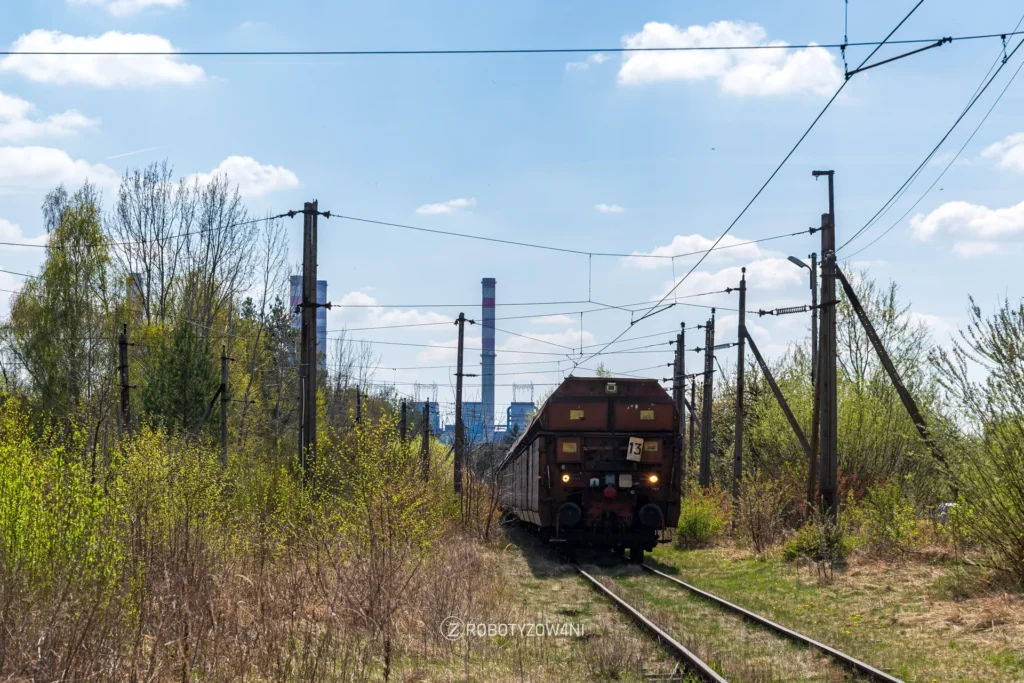
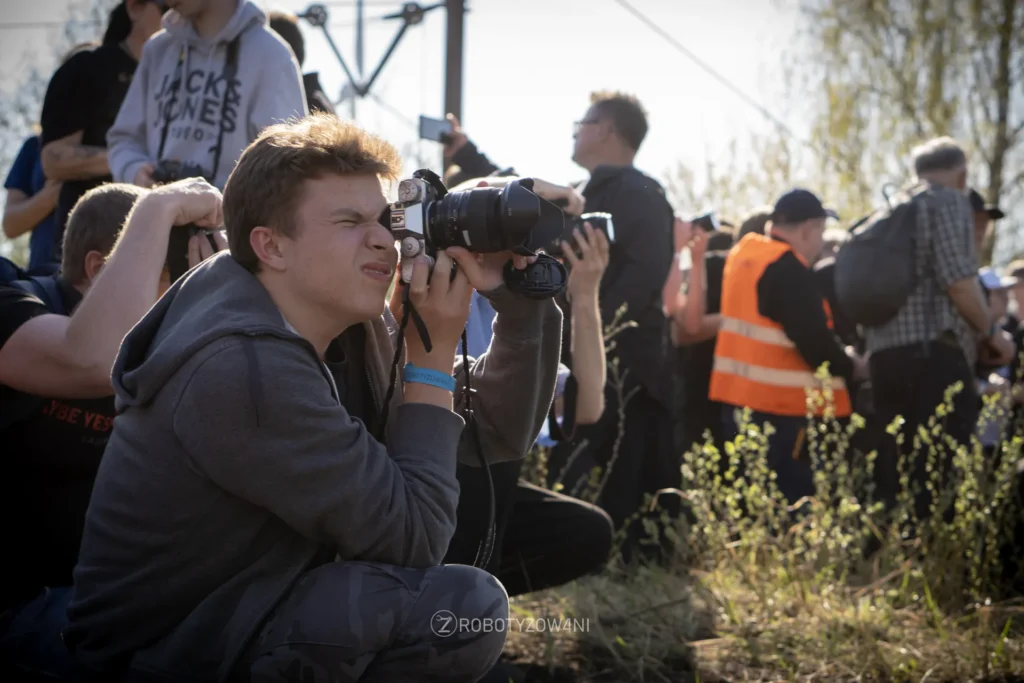
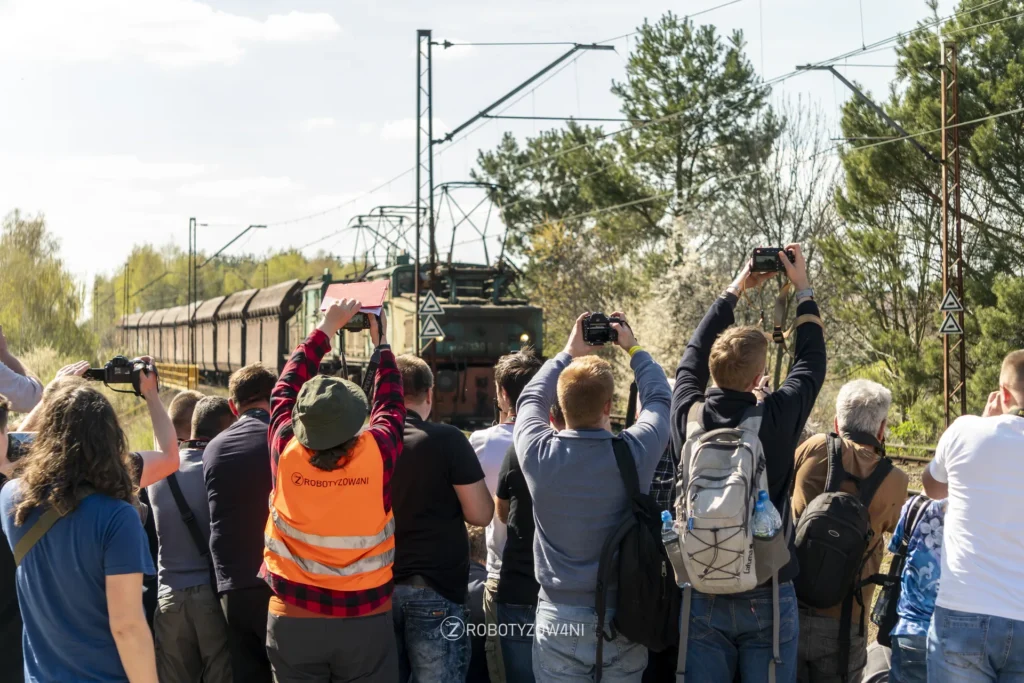
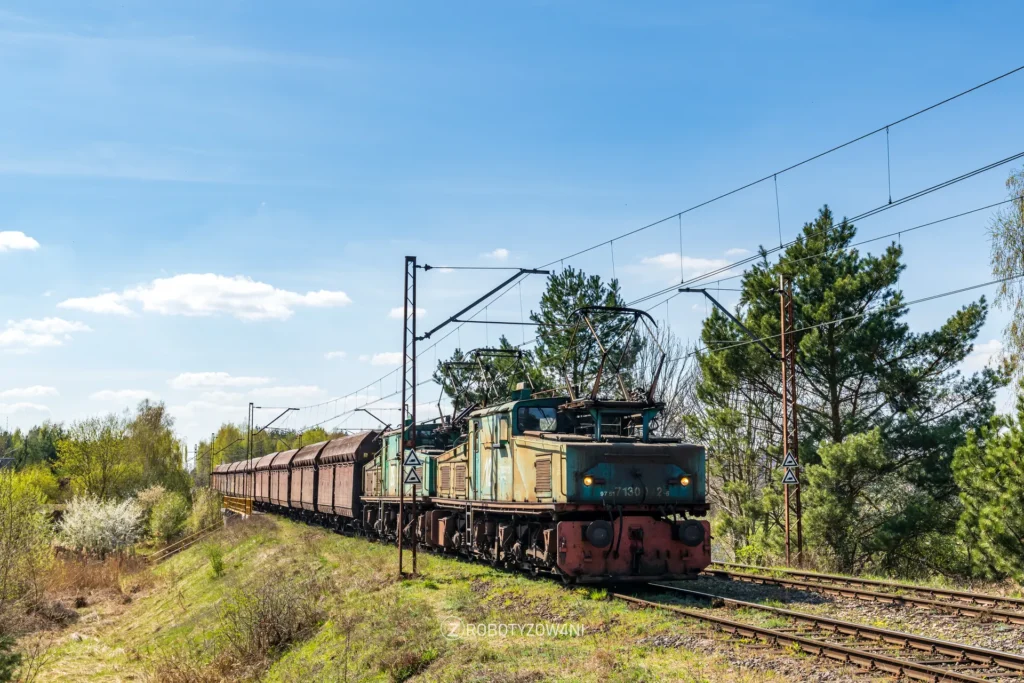
We caught the first frames in the area of the EW signal box — Estakada Wschód (East Viaduct). We started with a shot “with the power plant in the background,” then moved to the area of the Pątnów Power Plant viaducts — where the owner himself had to give consent for our visit and photography. Already here we could feel what we love most in such events: focus, full readiness and that characteristic tension before the run, when everyone silently counts down the minutes until the train appears. Although the existing, harsh light placed high demands and forced us to squeeze the absolute maximum out of our cameras, the perfect geometry of the place and the great, raw, “electric” background did their job. When the heavy train finally entered the frame, everything played out exactly as we had planned. There was no coincidence in this — only a well-laid-out script, efficient logistics and the satisfaction of capturing a frame at that one, unique moment.
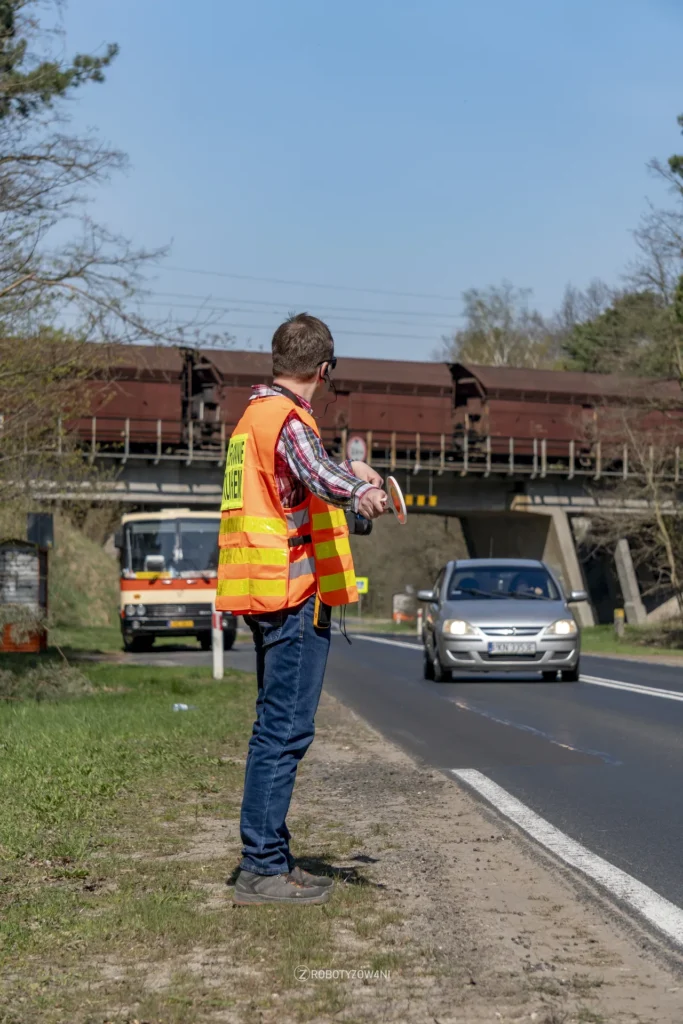
What’s more, on that day our train was the only one moving across the Mining Railways network – all to ensure the highest safety standards for our guests.
In this morning section of the route, the historical context resonated particularly strongly. The beginnings of the lignite mine in Konin are linked to the Morzysław deposit. Although coal was already mined there during World War II, industrial exploitation started after the opencast was taken over by a Polish crew in 1945, and from 1946 onwards the coal was also used for briquette production. In the earliest period, transport relied on small single-bucket excavators, a chain railway with a 500 mm gauge and an overhead cable railway about 1,382 metres long, running along the line of today’s Wyspiańskiego Street in Konin. These were modest beginnings, but they were the foundation from which the later, impressive railway-mining organism grew.
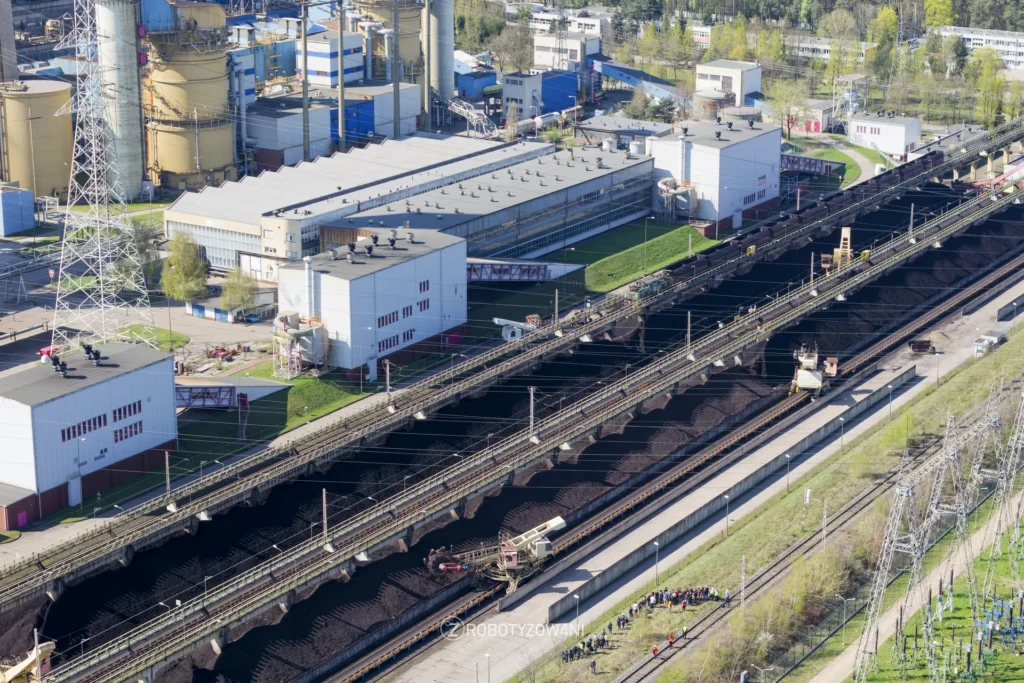
Want to see with your own eyes how precisely laid hundreds of kilometres of industrial tracks pump millions of tons of black gold straight into the ever-hungry boilers of power plants, and how powerful freight trains continuously fuel the country’s energy heart? Join our upcoming events and discover these and other secrets of the iron routes of great industry! Join us, subscribe to the newsletter! Don’t be an ordinary tourist – become a Zrobotyzowany!
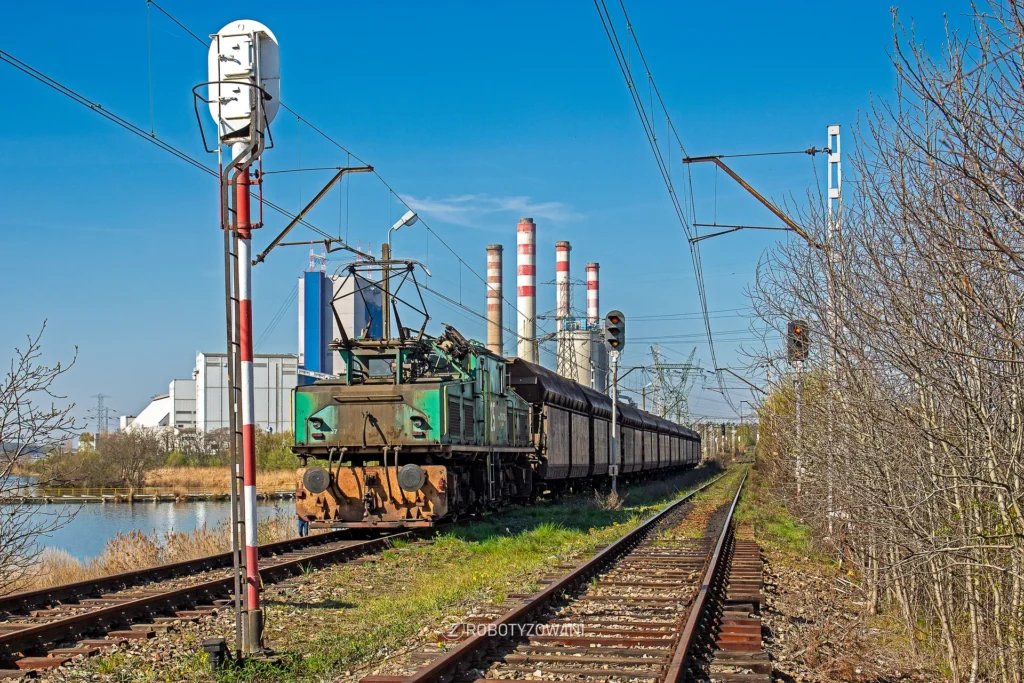






On the trail of Kazimierz, Jóźwin and the Sugar Factory
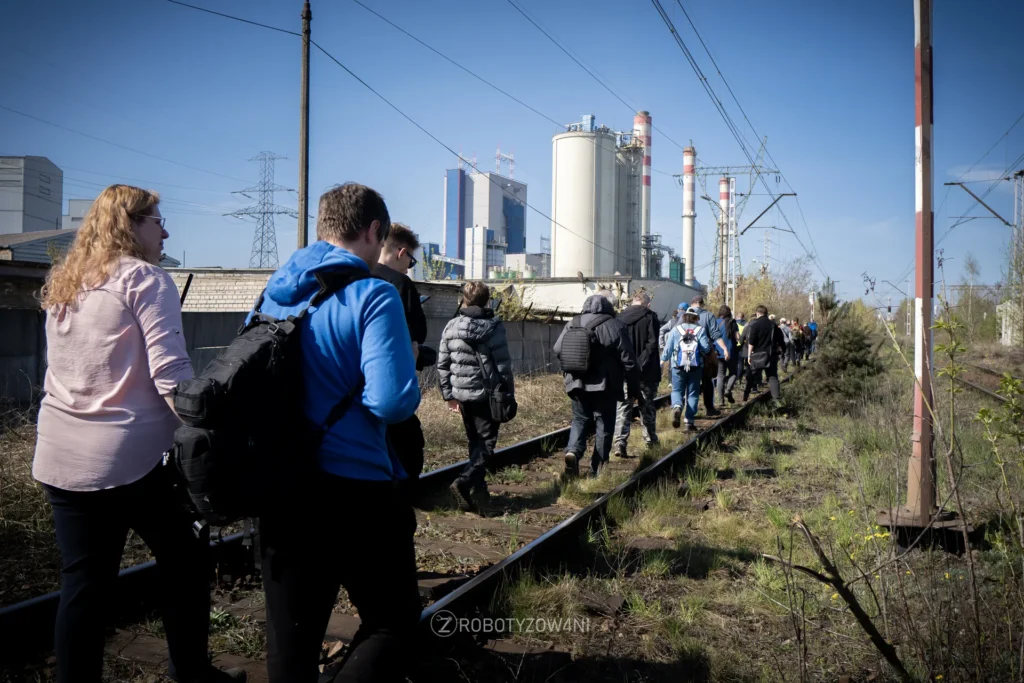
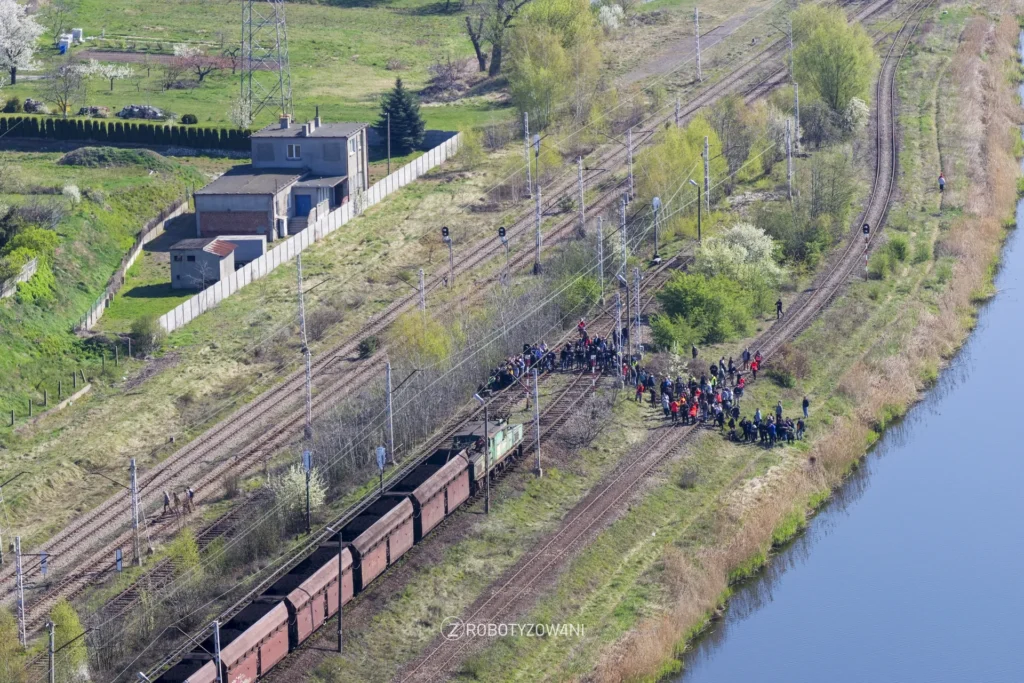
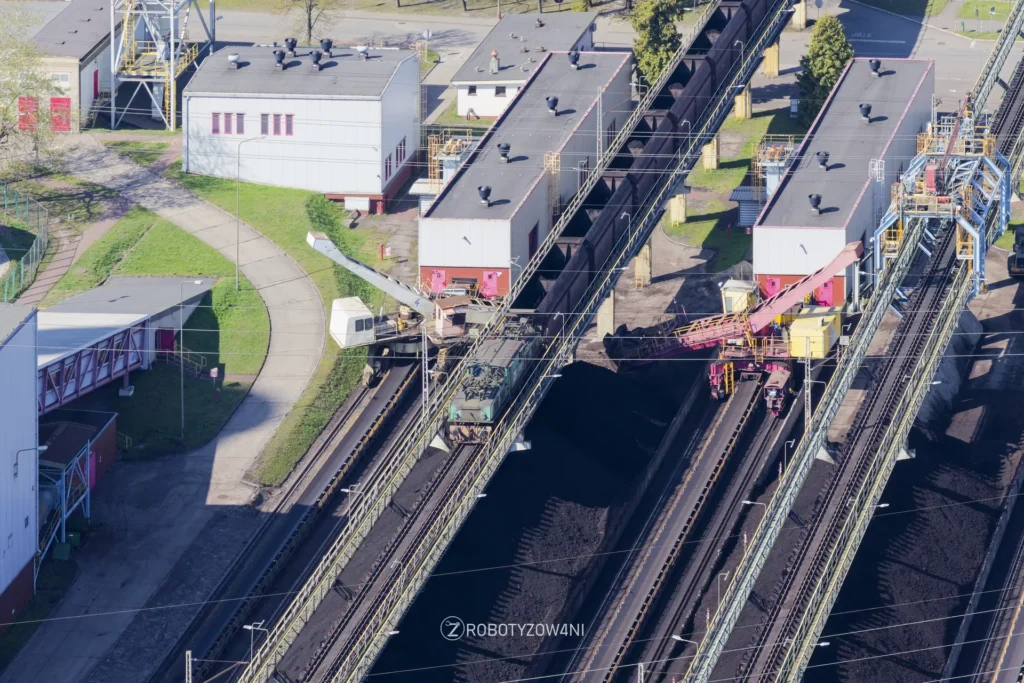
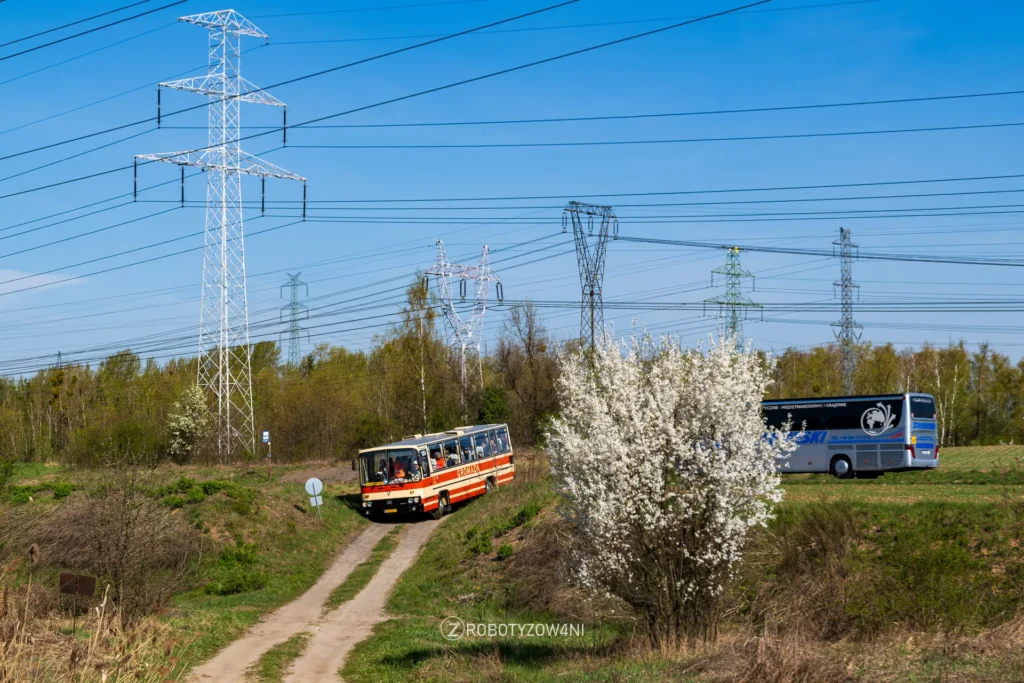
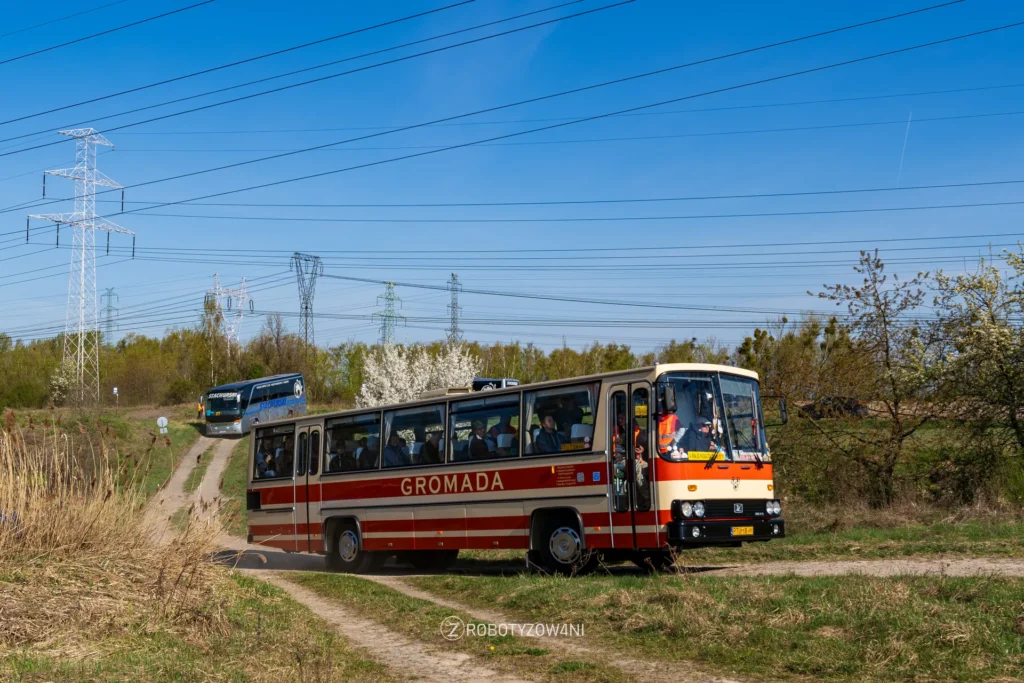
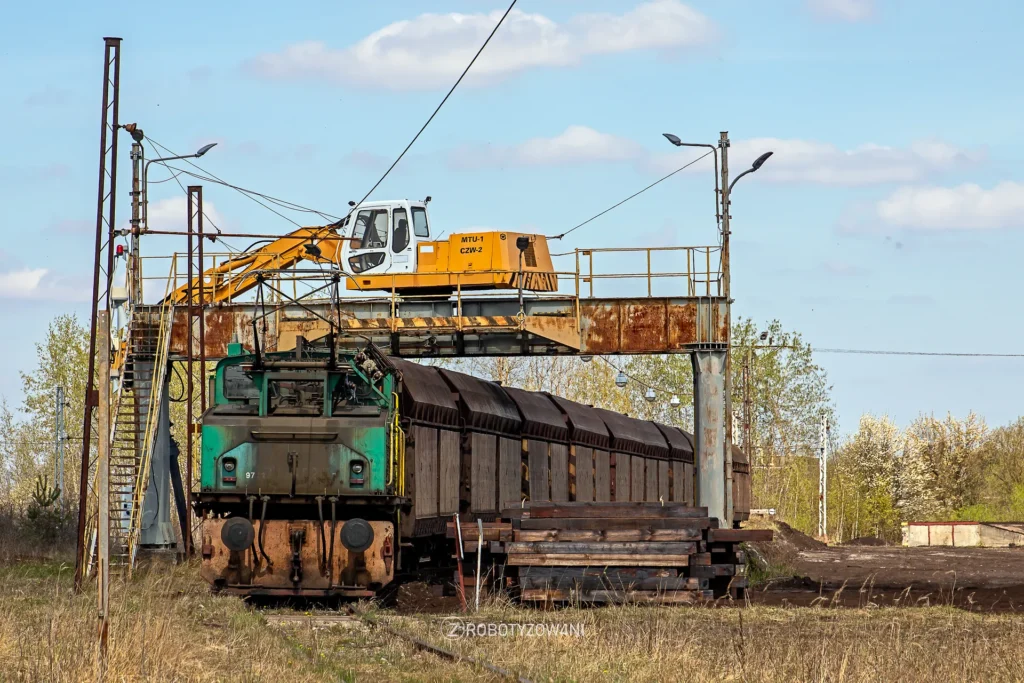
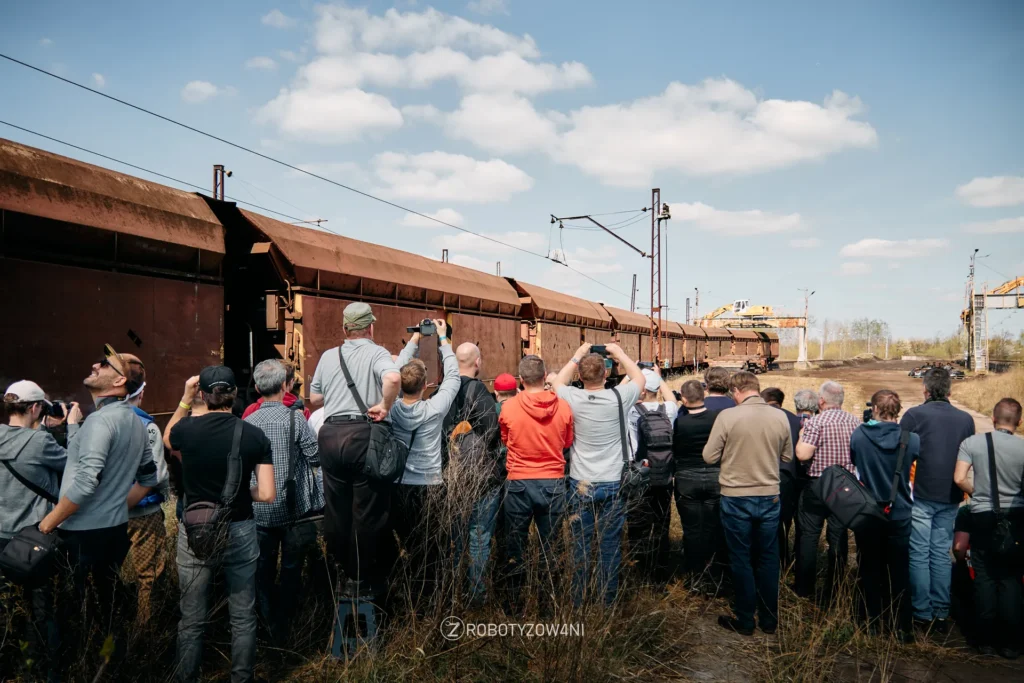
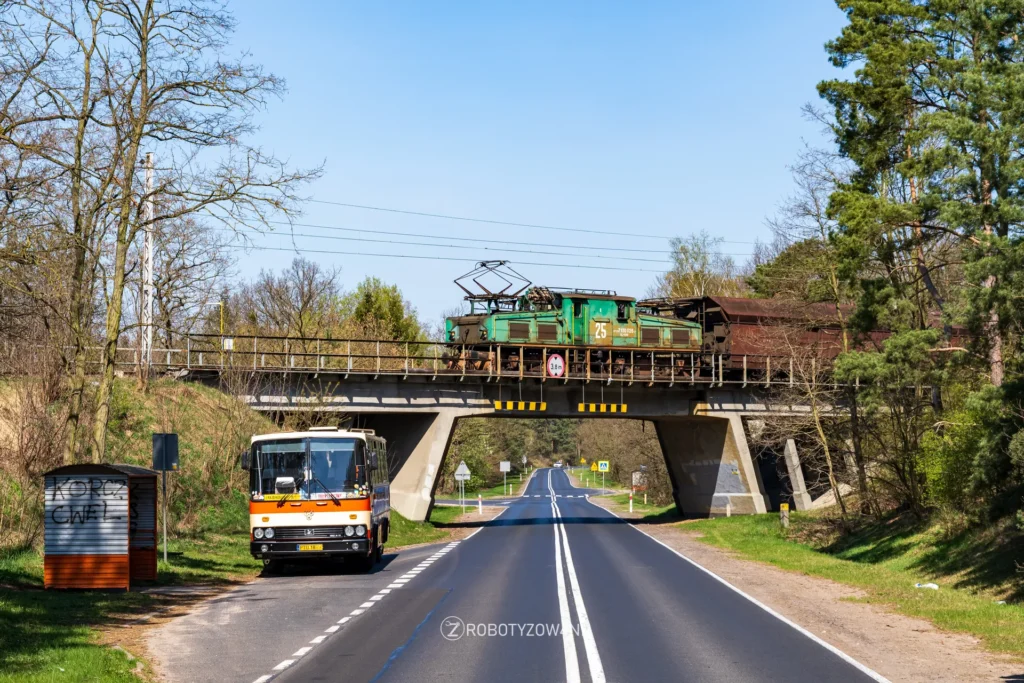
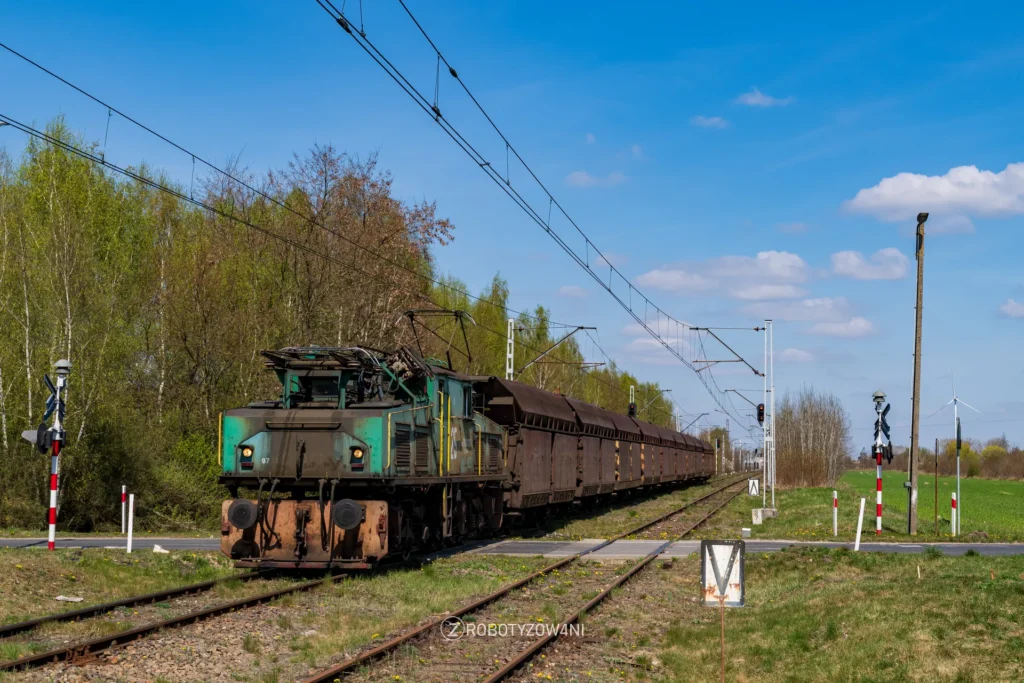
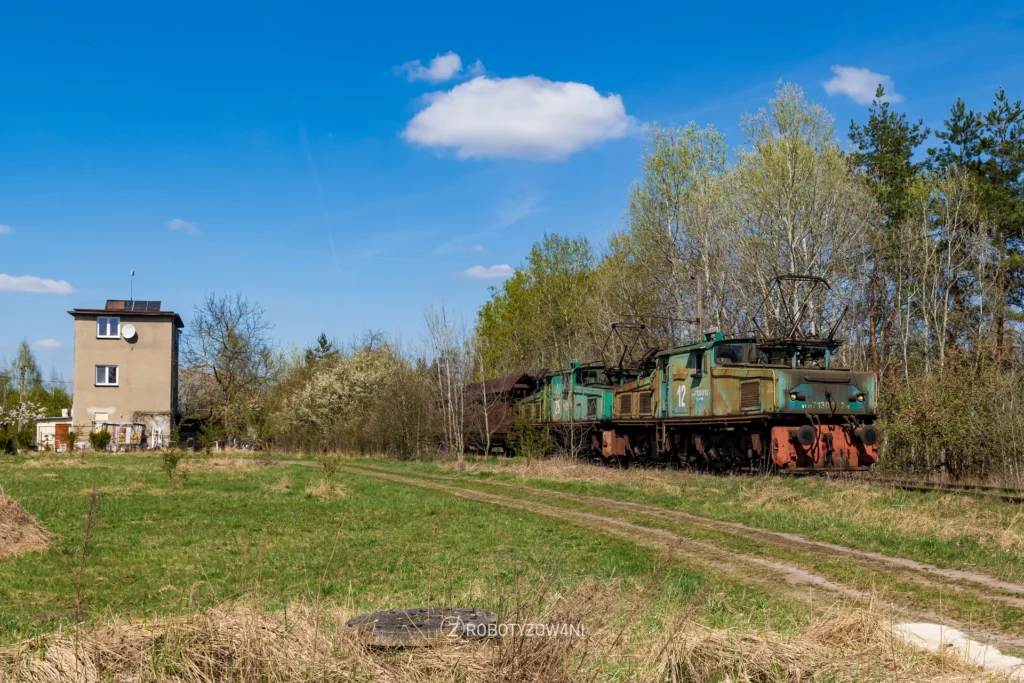
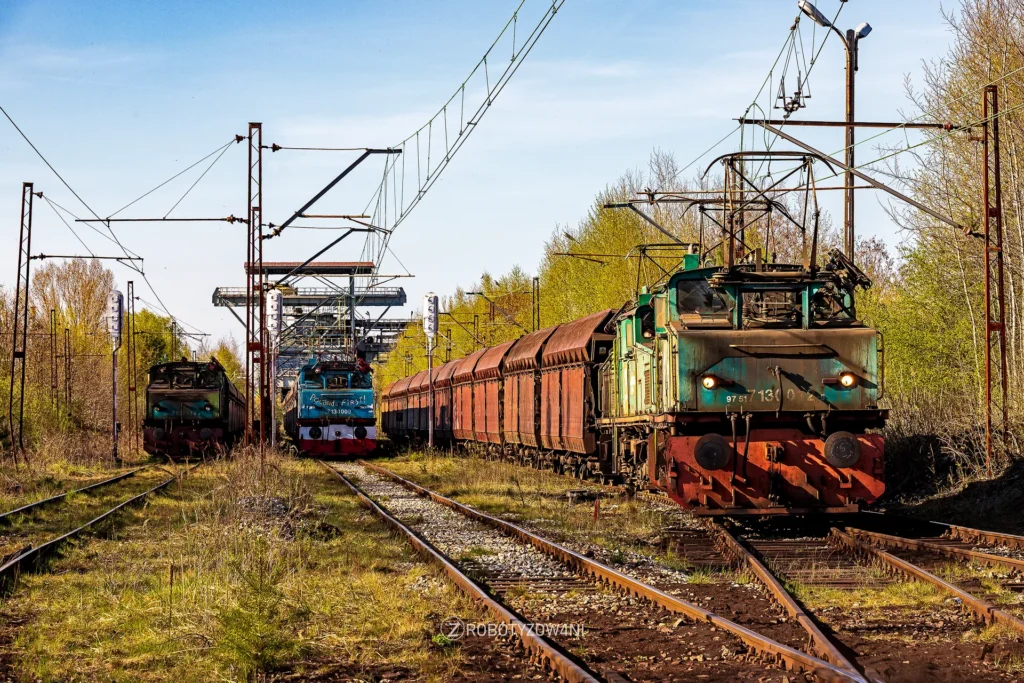
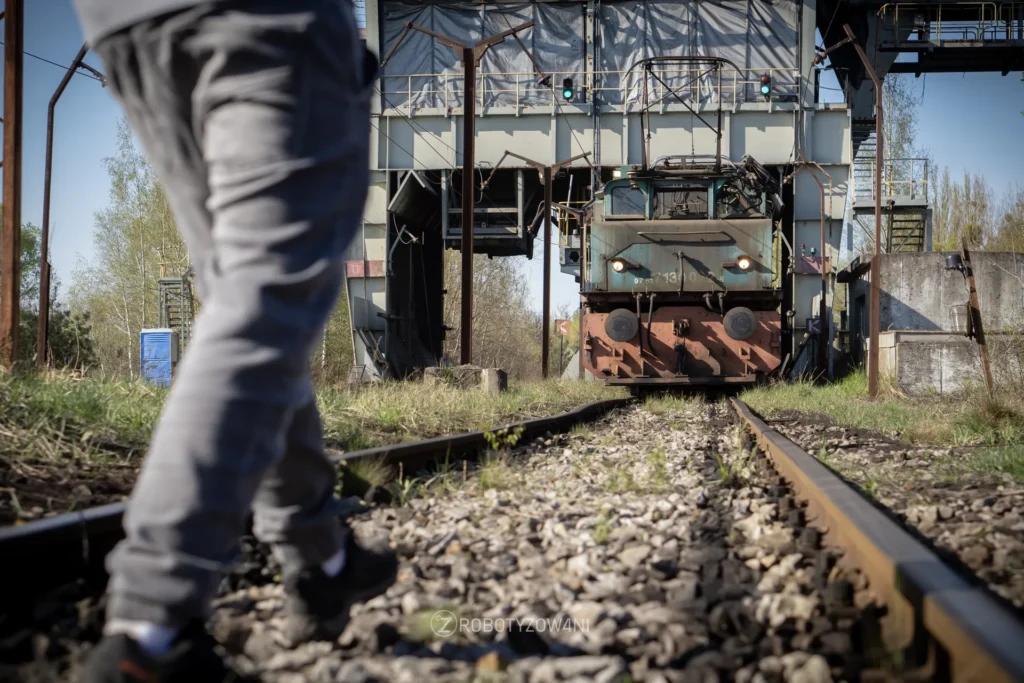
We continued to go ever deeper into the technical story of Konin. At “Kazimierz — Viaduct” we photographed a halted train above the provincial road. A moment later, “Jóźwin Coal” awaited us along with shots beneath the loading station, and then a category C level crossing, where the train passed us to the accompaniment of an old-type automatic level crossing signalling. There was also a photo stop at a forest crossing and various shots in the Cleaning Area using two locomotives. This part of the day was like the essence of industrial railway photography: switches, traction network poles (including wooden ones!) and the “K” indicators characteristic of this railway.
That was exactly when the scale of the system we were moving through could be seen best. In its mature form, the Mining Railways network of KWB Konin counted 120 km of lines, mostly double-tracked, with 15 stations and 225 switches. The railway served the Kazimierz, Jóźwin, Lubstów and Drzewce opencasts, and transported coal to the Pątnów and Konin Power Plants. Its core was formed by two main lines — the Kleczew and Lubstów lines — while the connection with the PKP PLK network was made via the handover point at Przesmyk-Gaj station. As we looked at successive signal boxes, viaducts and crossings, we were therefore seeing not individual tracks, but a fragment of a vast, precisely arranged industrial system.











Between Wygoda and Lubstów
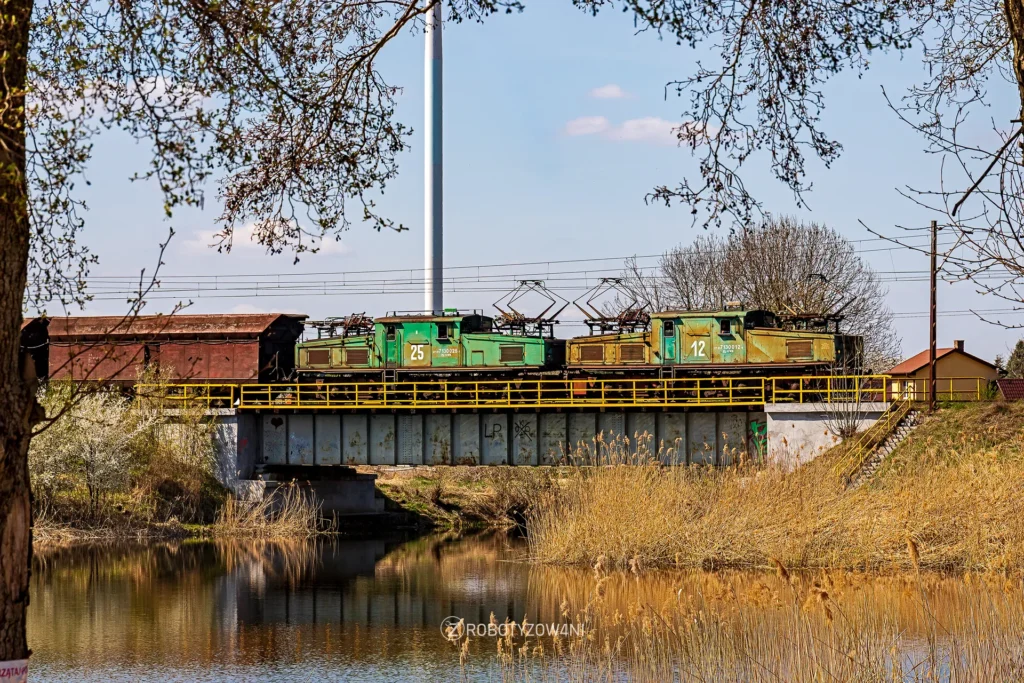
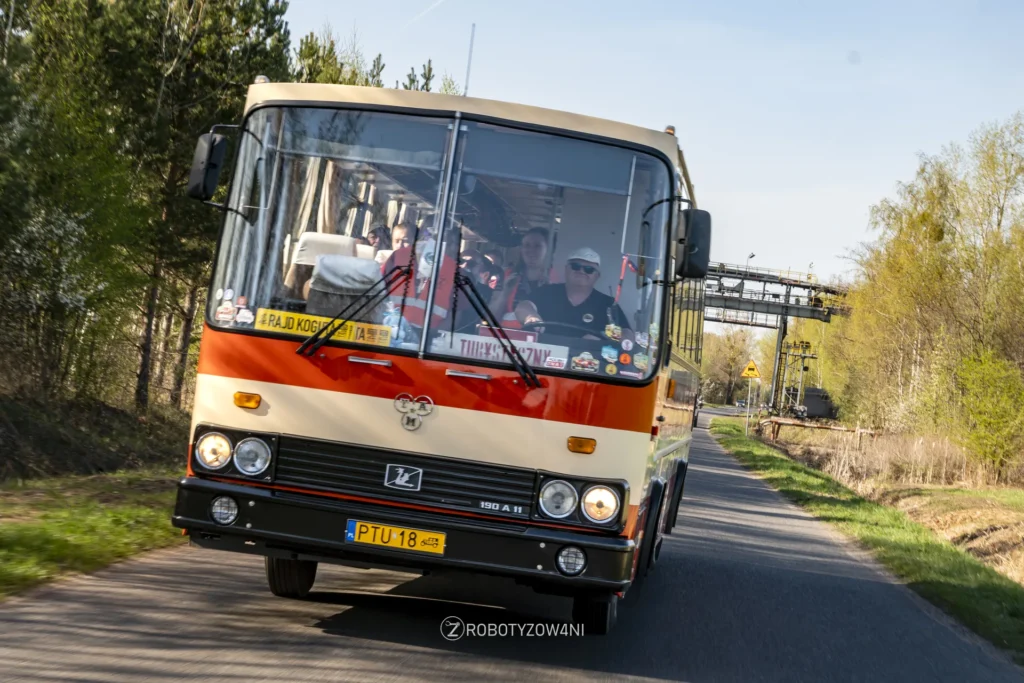
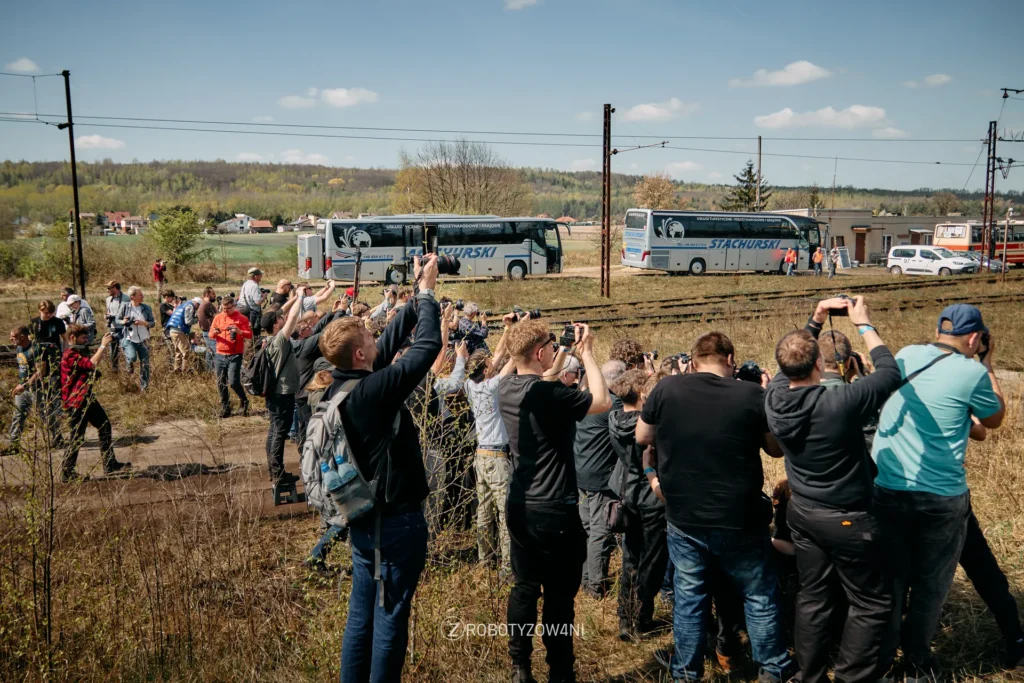
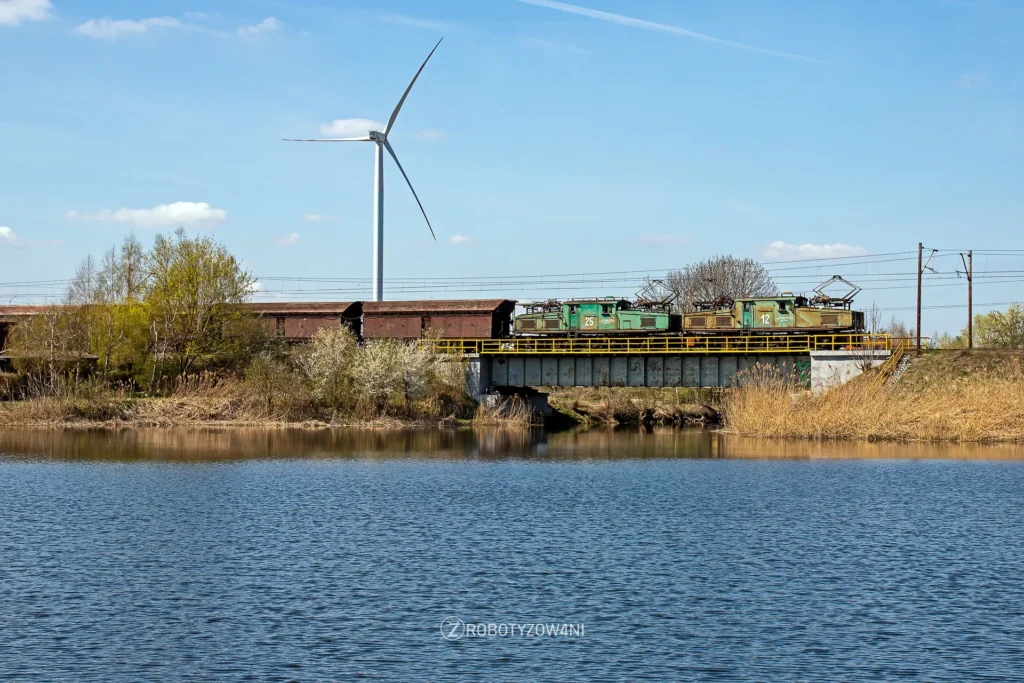
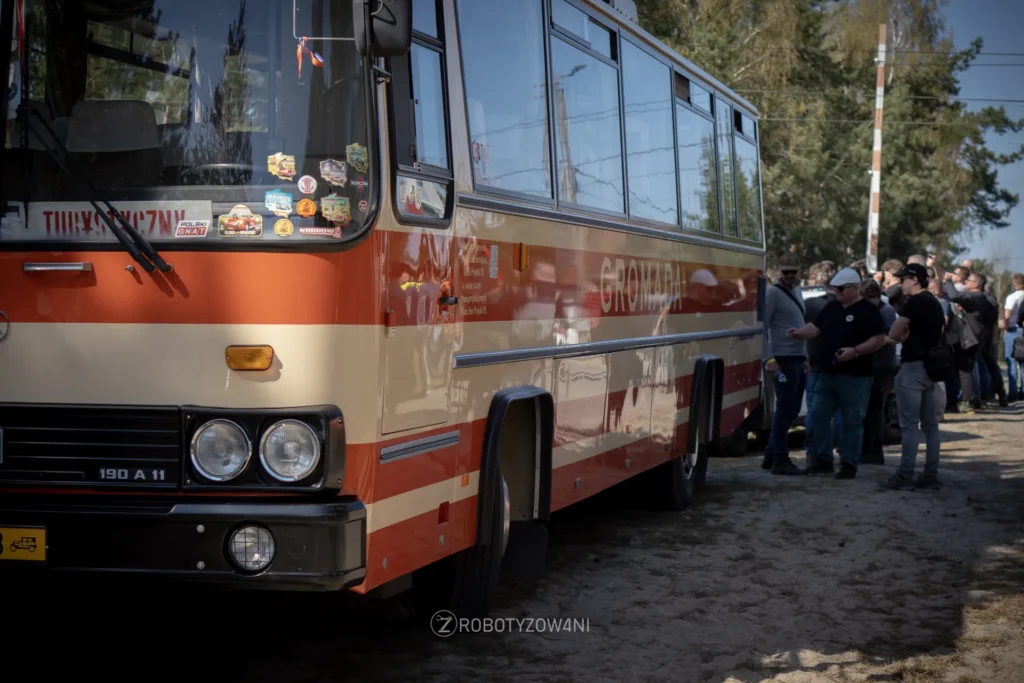
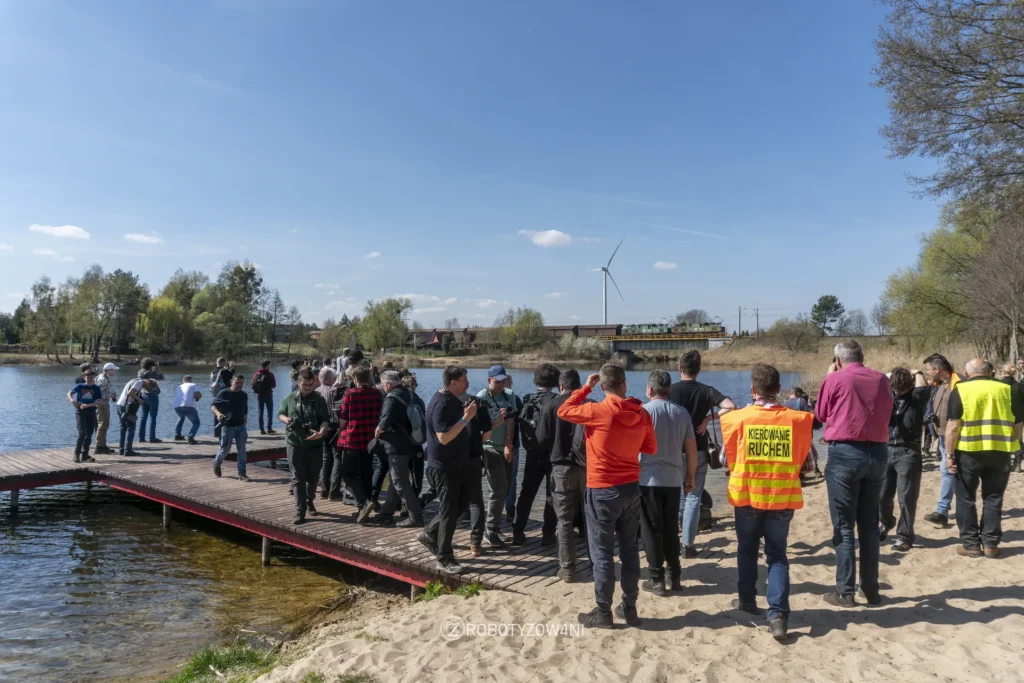
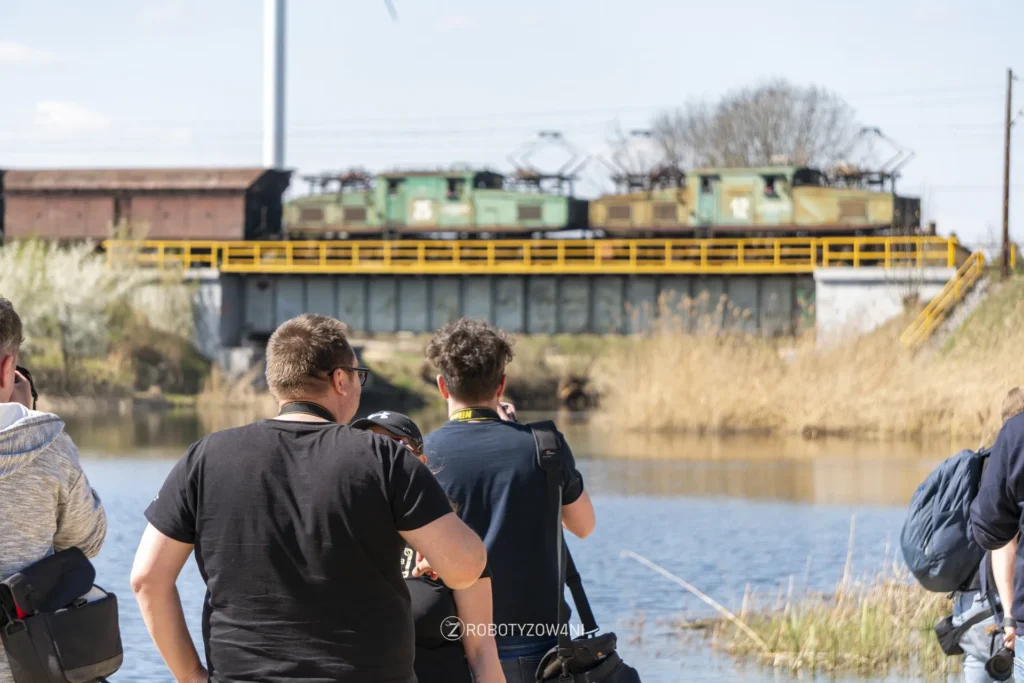
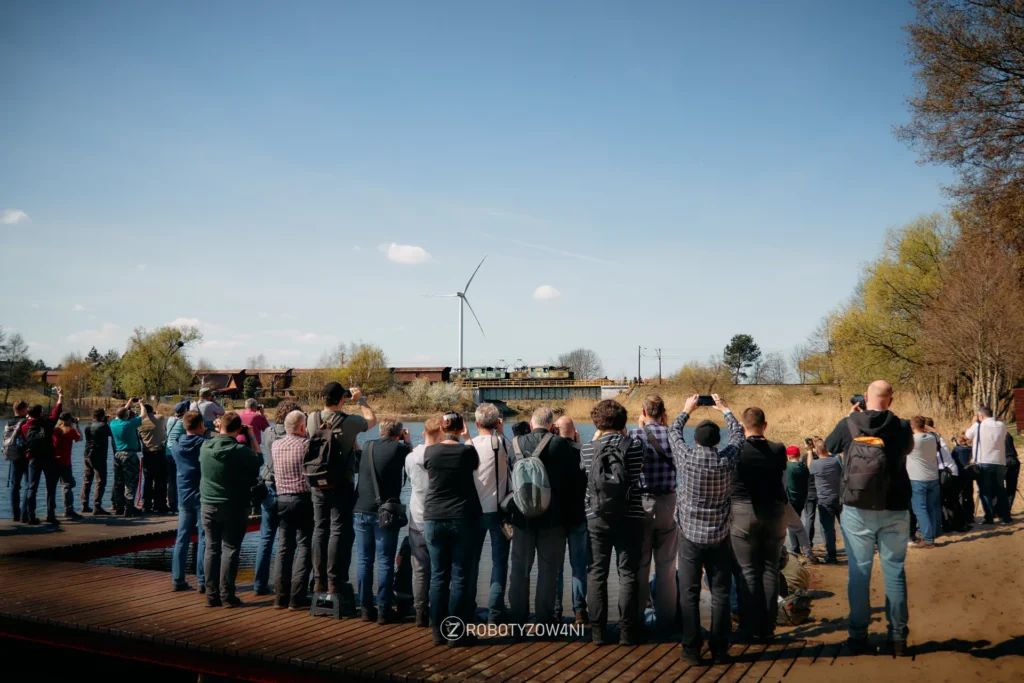
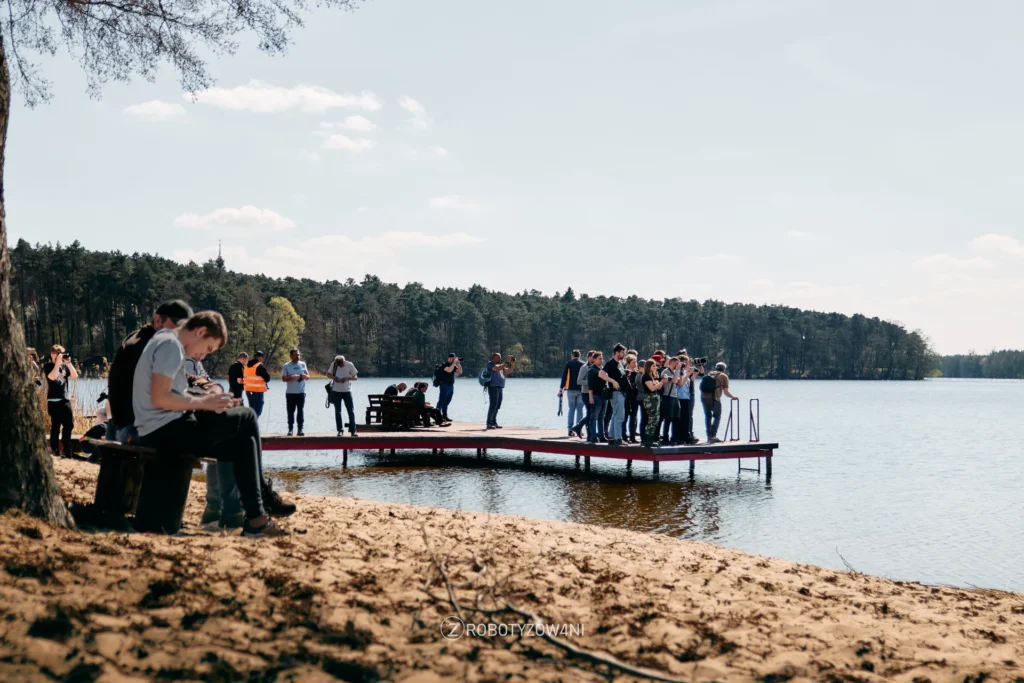
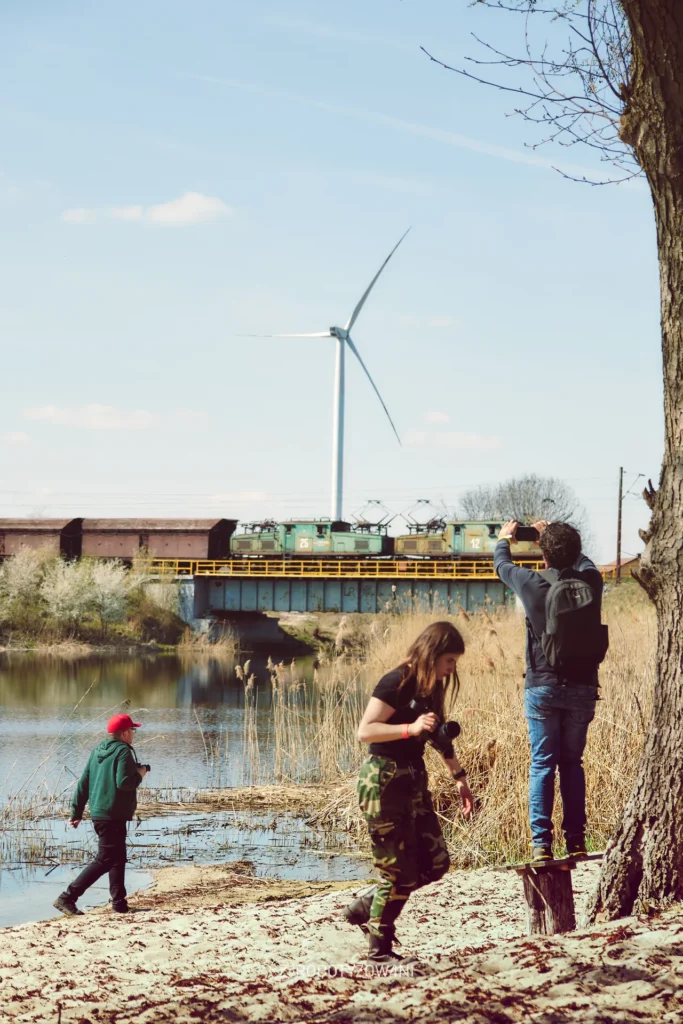
After “Jóźwin” came one of the most picturesque scenes of the entire event — “Wygoda — beach.” It was there that we entered in groups onto the pier to photograph the train standing on the bridge. Raw, heavy technology met an almost calm, soft, watery landscape. The contrast was enormously impressive: steel and traction network on one side, the surface of the water and a wide breath of space on the other. After a delicious lunch, we headed to Lubstów — first to the loading station, then to the signal box. We also took a shot featuring an old PKS bus stop sign and the TAM190 bus belonging to the Derenowski family from Tuliszków. This is exactly what we love about such trips: frames no one could invent at a desk, because they are born only where the history of technology still meets the everyday landscape.
At this stage, the memory of the briquette factory in Marantów also returned with particular strength — one of the most important elements of the early mining and energy complex of KWB Konin. Its history began before the war, when in 1934 a lignite seam was uncovered in the Morzysław area, and in 1942 mining works began along with the construction of the briquette factory and a small power plant. The briquettes themselves were produced from lignite with no binder added, and the plant went through successive stages of development, including reconstruction and modernization after a coal-dust explosion in 1960. Although the decision to close the briquette factory was made in 1986, production continued longer — the last batch of briquettes came off the line on April 14, 2002. This matters because “The Last Crocodiles” was not merely a chase after a locomotive. It was a journey through the entire heritage of the Konin basin: from opencasts, through the briquette factory, to power generation.








Błonawy, Licheń and the finale at Estakada Wschód
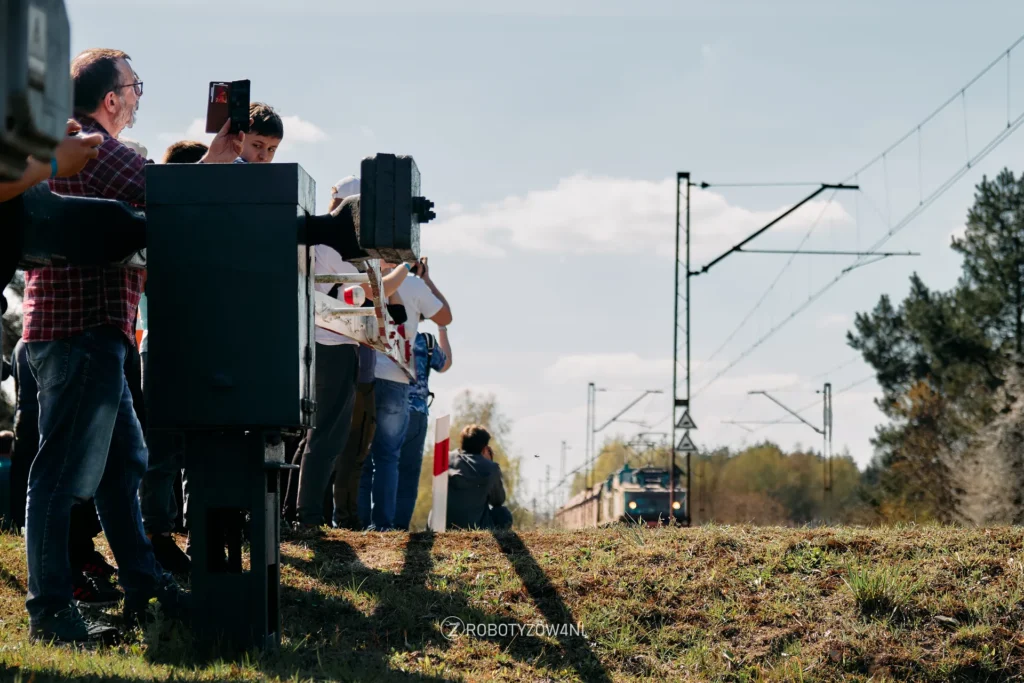
The end of the route had something of a cinematic closure. At Błonawy we captured a dynamic passage of the train, then moved to a rise by the next crossing to capture the train with stationary shape-form warning signs. At Wygoda, we photographed the train on a trapezoidal crossover.
Shortly afterwards came the time for one of the most recognizable frames of the whole day — a shot with a view of the basilica in Licheń — and further on, the panorama from the viaduct at the Sugar Factory, from which the Licheń temple was also visible. The whole was closed by a return to the East Viaduct signal box, where we photographed the train approaching from the east. It was a perfect closing of the day: not by chance, but by consciously bracketing the beginning and end of the expedition.
It was in these final frames that we felt most strongly that we were taking part in something unique. The fatigue was real — dozens of exits and entries to buses, marches, waiting, concentration and split-second framing decisions take their toll — but the satisfaction was even greater. Because when we were coming back from Estakada Wschód, each of us knew that we were not bringing home only photographs. We were bringing back a record of an ending. And when, on April 30, 2026, the 68-year operation of the EL2 in Poland came to an end, that April day grew to the rank of a true farewell to a legend. 🙌


Why the Crocodile is passing into history
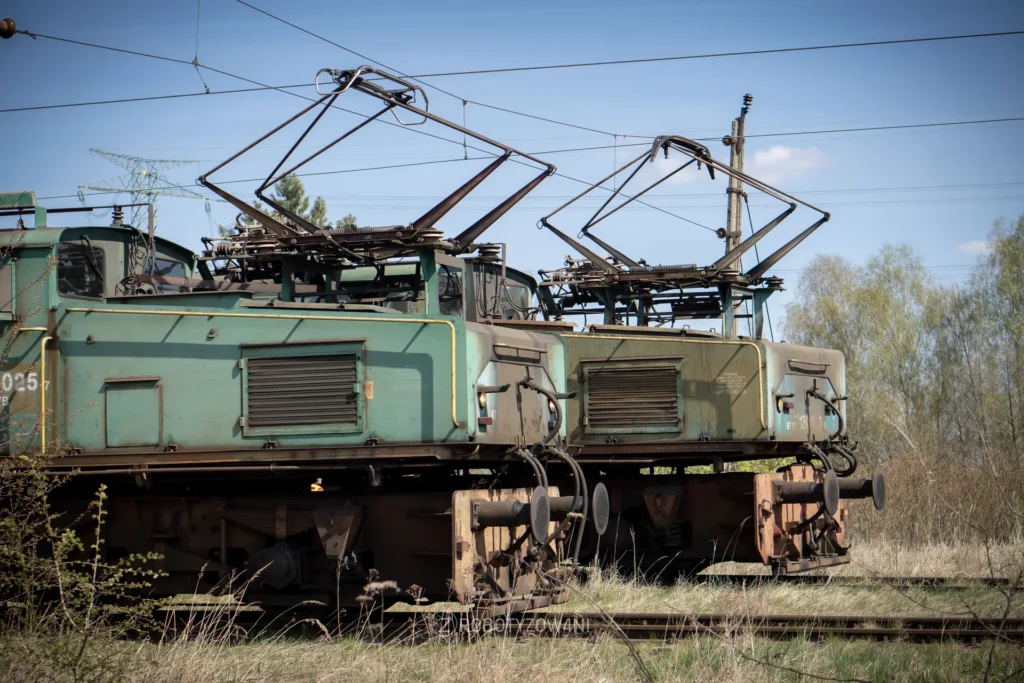
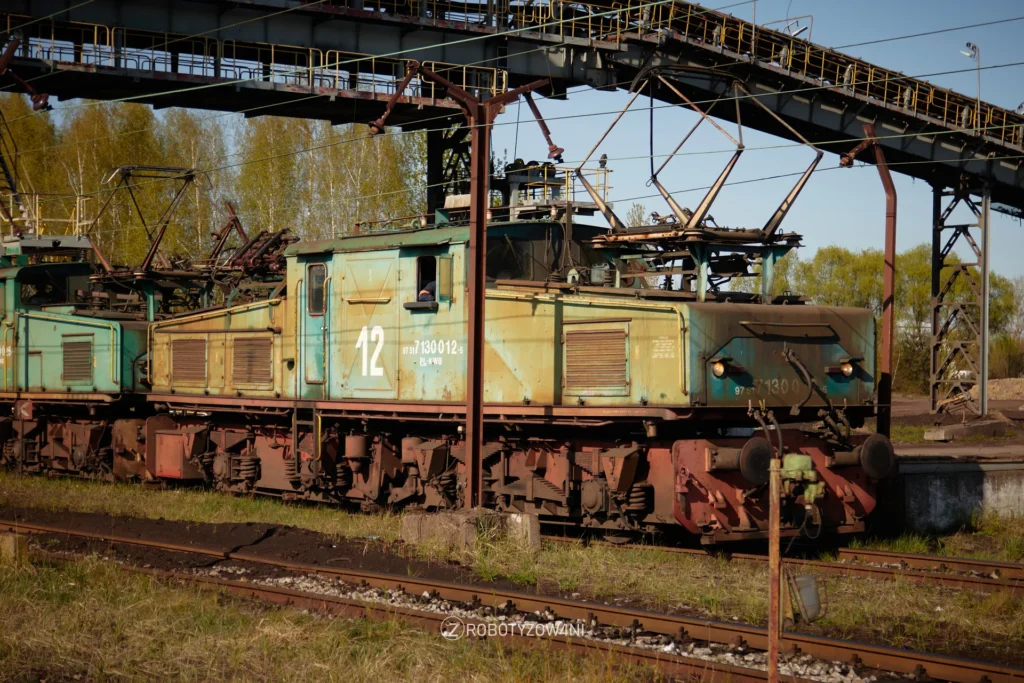
The EL2 was no ordinary industrial locomotive. It was built at the LEW Hennigsdorf plant near Berlin as an intermediate type within the LEW family of opencast locomotives — heavier and more powerful than the narrow-gauge EL3, but simpler and lighter than the two-section EL1. Between 1953 and 1988, 1,384 locomotives of this type were produced for East Germany, the USSR, Bulgaria, Poland and China, 62 of which were delivered to Poland. The first 16 units arrived at KWB Konin as early as 1958, for a new, more efficient standard-gauge railway built for the needs of the Pątnów opencast and transport to the Konin Power Plant. Later, the EL2 also worked at KWB Adamów, Bielawy, Zębiec and the Kujawy Cement Plant, but over time, Konin became their most important Polish home.
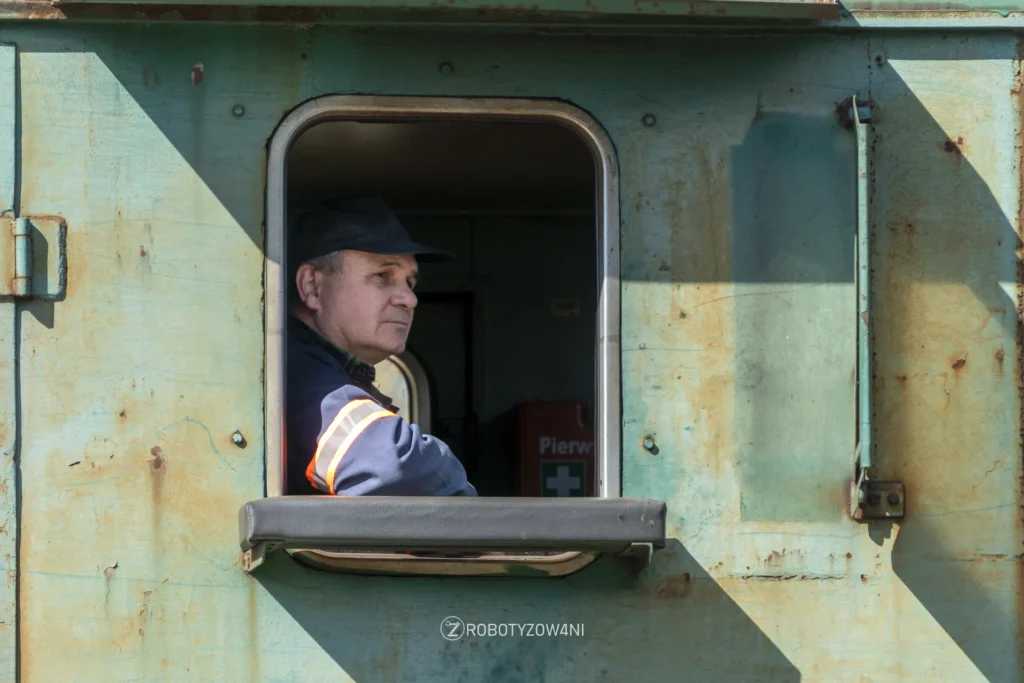
Their crocodile “legend” came not only from their appearance. Structurally, the EL2 was a four-axle locomotive with a Bo’Bo’ layout, a central driver’s cab and two machine compartments on the sides. It had an hourly output of 4 × 350 kW, a continuous output of 4 × 290 kW and was adapted to operate in temperatures from -40 to +35°C. It was a machine designed for truly heavy, daily service — without sentimentalism, but with enormous efficiency. Perhaps this is precisely why it so easily rises today to the rank of a symbol: not because it was flashy, but because for all those years it simply did its job.
And the scale of this “job” in Konin was enormous. Official mine information reminds us that during the 80 years of KWB Konin’s existence, more than 645 million tons of coal were extracted, and reaching these resources required removing over 2.835 billion m³ of overburden. When we look at “The Last Crocodiles” in such a context, it becomes even clearer that we were saying goodbye not to a single vehicle, but to a fragment of the great history of the region, of the industry and of the work of thousands of people.
That is exactly why four things stay with us from this trip:
- a sense of access to places not available every day — loading stations, signal boxes, viaducts, level crossings and routes of an active industrial railway;
- a full, well-thought-out chronology of photo stops, thanks to which we watched the Crocodile not “just anywhere,” but along a route telling the story of the entire network;
- a collision of technology with landscape — from the power plant, switches and traction poles to the water at Wygoda and the silhouette of the basilica in Licheń;
- the awareness that we captured, with our cameras and our memory, something that in this form will simply no longer exist.


See you on the next trail
If this is exactly why you value industrial tourism — for real emotions, technical substance, good organization and access to “behind the scenes” places — it is worth staying close to Zrobotyzowani. We already know that we will be coming back for more: for further technical tours, more stories hidden behind plant gates and more days that leave behind not only photos, but also deep satisfaction. Visit the Zrobotyzowani website, sign up for the newsletter, follow upcoming events, and if you want to additionally support this “renaissance of industrial tourism,” also drop by the Zrobki.pl shop
See you on the next trail!
Acknowledgements
Although many memories have already appeared in this report, in the end we – the organizers – are at a loss for words to fully express our gratitude and appreciation to everyone who helped us write this last chapter of the story.
Our deepest thanks go to PAK KWB Konin S.A., the staff of PAK Górnictwo Sp. z o.o. and the crew of the Mining Railways – without your enormous commitment, openness and professional support, organizing the “The Last Crocodiles” event would not have been possible at all. We also thank the authorities of ZE PAK S.A. for the priceless permission to photograph and immortalize these unique, industrial frames in the area of the viaducts of.
At every step – from the first plans, through finalizing logistical details, all the way to the final whistle – we were extraordinarily and pleasantly surprised by the selfless courtesy and kindness of everyone we met.
Separate, mighty applause goes to the masters of the steering wheel. Invaluable proved to be the help of Mr. Arkadiusz Derenowski, who provided for the route an amazing atmospheric bus TAM 190, and to the reliable the crew of Stachurski buses. Thanks to your brilliant skills, smooth manoeuvring and full flexibility, our logistics between successive photo stops worked like a Swiss watch.
However, the most important thanks travel to you, dear Participants. Your absolute discipline, passion, exemplary cooperation on the grounds of an active plant and full understanding of the safety rules meant that we not only completed this demanding programme 100%, but, above all, returned home safely, on time, and with the feeling that together we had created something historic.
Thank you for creating the renaissance of industrial tourism with us!
See you on the next technical adventures!
Thank you!
All photos were taken and published with the permission of ZE PAK SA, PAK KWB Konin SA, PAK Górnictwo Sp. z o.o. and the Mining Railways Department.


Keywords: industrial tourism, Zrobotyzowani, KWB Konin, Mining Railways Konin, EL2 locomotive, The Last Crocodiles, industrial railway, mine tour, farewell to locomotives, traction network, critical infrastructure, lignite energy, special train, freight train, EW signal box, Estakada Wschód (East Viaduct), Pątnów Power Plant, Jóźwin opencast, Kazimierz opencast, Lubstów, coal loading station, level crossing, wooden poles, photo stops, industrial photos, technology from the inside, Greater Poland (Wielkopolska), guided one-day tour, event report, ZE PAK, LEW Hennigsdorf, Marantów briquette factory, mine history, electric power system, energy behind the scenes.
Sounds like a great day? See where else we are heading in the near future:
Want to experience a similar adventure? Industrial tourism the Zrobotyzowani way is access to places nobody but employees will see on a daily basis — the interiors of dams, turbine halls, control galleries and the heart of critical infrastructure.
👉 Join us! Follow upcoming events at Zrobotyzowani.com.pl and sign up for the newsletter so you don’t miss future registrations. 👉 Express your passion: visit our shop Zrobki.pl for gadgets for industrial and energy fans!
#Zrobotyzowani #TurystykaPrzemysłowa #KWBKonin #KolejeGórnicze #OstatnieKrokodyle #Krokodyl #EL2 #Konin #Kleczew #KazimierzWęglowa #JóźwinWęglowy #Cukrownia #Wygoda #Lubstów #Błonawy #Licheń #BazylikaLicheńska #EstakadaWschód #PrzesmykGaj #WycieczkiTechniczne #IndustrialTourism #RailwayPhotography #Fotostopy #KolejPrzemysłowa #DziedzictwoTechniki #HistoriaTechniki #PasjaDoKolei #PolskaTechnika #BehindTheScenes #Zrobki
Photos by: Paulina Kozłowska, Magdalena Prosowska, Amelia Sieradz, Maciej “ParaMaciej” Kacprzak, Jakub Kisieliński, Adrian Kulik, Karol Lubaczewski, Kacper Szmitka
Report prepared by: Karol Lubaczewski